What Month Are Sharks Most Active In Oahu?
Shark activity off Oahu's North Shore runs year-round, but the strongest months for sightings are May through September, with tiger sharks peaking around October. Here is what is confirmed and what is operator-reported.
 By Shark Cage Diving Honolulu Editorial Desk, Honolulu shark cage diving charter research and booking desk
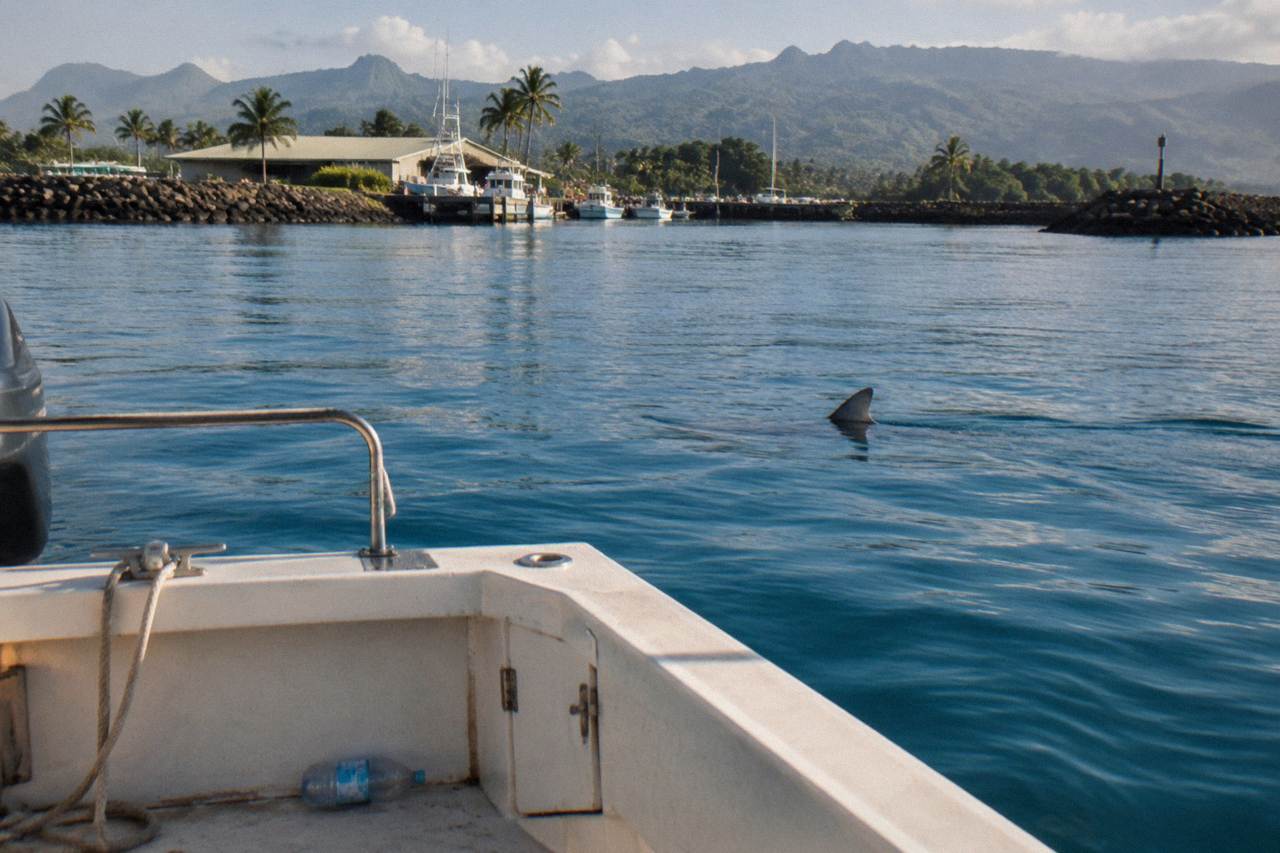
What Month Are Sharks Most Active In Oahu?
There is no single month when Oahu's sharks switch on, because the two resident tour species, Galapagos and sandbar sharks, are seen off Haleiwa year-round. The practical answer for visitors is May through September, when calm seas make tours reliable and sightings consistent, with October standing out for seasonal tiger shark activity.
That answer needs unpacking, because "most active" means different things depending on which shark you are asking about and whose data you trust. The species breakdown matters, the source of each claim matters, and the ocean conditions that let you actually get offshore matter as much as the biology.
Start with what is firmly established. DLNR's official Hawaii shark species list confirms Galapagos sharks, sandbar sharks and tiger sharks all occur in Hawaiian waters, and the tours that run three to four miles off Haleiwa report Galapagos and sandbar sharks as their everyday visitors. Those two species are the backbone of every North Shore shark encounter, in every month. A recent peer-reviewed BRUV study around Oahu, published in Marine Ecology Progress Series, documented 12 elasmobranch species across 283 deployments and found the assemblage numerically dominated by sandbar sharks, with both sandbars and Galapagos sharks increasing in abundance with depth. The tours work in deep pelagic water, exactly where those two species are most likely to show up.
Tiger sharks are the seasonal variable. A 2026 analysis in Frontiers in Marine Science tied long-term sighting data from North Shore ecotourism sites to a clear October peak, linked to parturition and the partial migration of mature females from the Northwestern Hawaiian Islands. That is a peer-reviewed seasonal pattern, not marketing copy, and it is the strongest month-level claim that exists for any Oahu shark species.
The other seasonal variable is the ocean itself. Winter swells from November through April make the run offshore bumpier and push cancellation rates up, while the May to September window brings lighter trades, smaller swells and clearer water. So the honest month-by-month picture combines biology with boat schedules, and the sections below walk through both.
If you are already comparing specific trips, these three cover the range of formats on the North Shore:
The first is the flagship steel-cage dive, the second is a small-group cageless swim, and the third puts a marine scientist in the water with you. Prices for all three sit on the live listings rather than in any fixed print, so check the operator's listing for current figures.
Which Sharks Show Up In Which Months?
Galapagos and sandbar sharks are present in every month off Haleiwa, which is why tour operators can run year-round schedules. Tiger shark sightings concentrate in late summer through fall, peaking around October. Any month-level claim beyond that, such as exact tiger season boundaries, comes from operator reporting rather than DLNR or peer-reviewed data.
This is where the flagging in the site brief matters, so each claim below is labeled by its source. The DLNR-confirmed layer is thin but solid: the species occur in Hawaiian waters, and no great whites are part of the commercial North Shore encounter. Great whites are rare winter visitors to Hawaiian waters overall, with very few confirmed records, and no Oahu tour shows them. If a search result promised you great whites off Haleiwa, that premise is simply wrong.
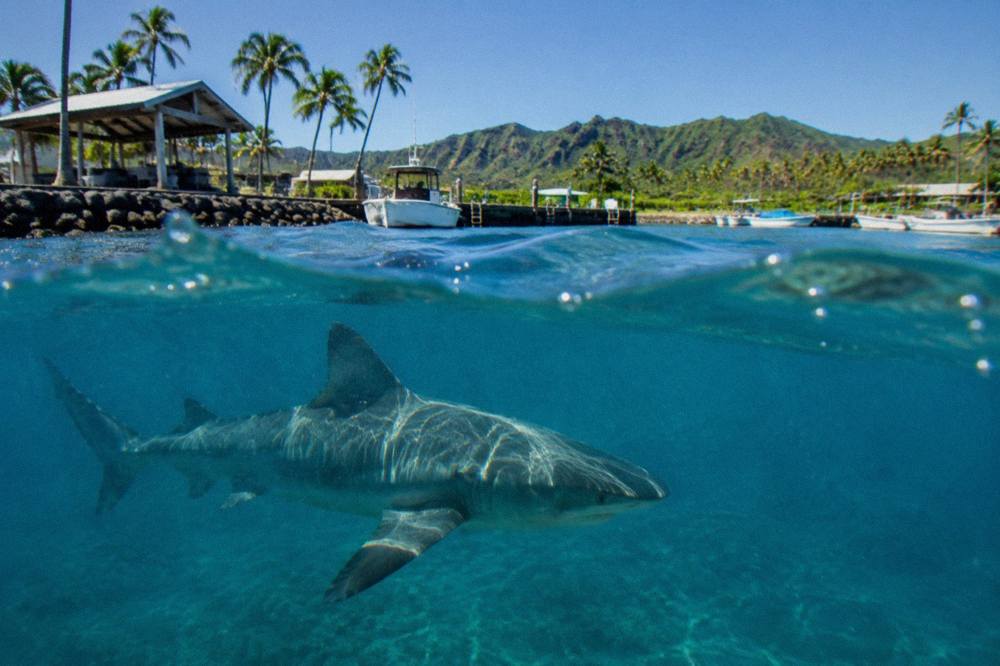
The operator-reported layer is richer. Tour operators and 2026 reviews consistently describe Galapagos sharks in the 8 to 12 foot range as the daily regulars, sometimes in groups of 7 to 20 individuals, behaving calmly and curiously around cages and swimmers. Sandbar sharks, smaller and steadier, round out most trips. Tigers are described as more likely from August through November, and the Frontiers analysis gives that operator folklore a scientific backbone with its October peak. The same paper notes tiger sightings at those sites decrease with depth, which is one reason a tiger pass is a bonus rather than a promise on any given day.
The table below separates what each month reliably offers from what it only sometimes offers:
| Month window | Galapagos and sandbar sharks | Tiger shark odds | Tour reliability |
|---|---|---|---|
| January to April | Present, operator-reported year-round | Low | Lower, winter swells raise cancellations |
| May to July | Present, consistent sightings | Low to moderate | High, calm seas and clearer water |
| August to September | Present, strong summer activity | Moderate and rising | High, September noted as a calm sweet spot |
| October | Present | Peak month, peer-reviewed sighting data | Good, shoulder season |
| November to December | Present | Declining | Variable, early winter swells arrive |
One caveat belongs here rather than buried later: month-level tiger seasonality beyond the October peak should be treated as operator claim, not DLNR fact, until a species-specific state or federal source confirms finer boundaries. The October peak itself is the exception, resting on published analysis of long-term sighting records. For a deeper dive into the species themselves, the guide to what sharks you will see on the North Shore breaks down each animal's behavior and conservation status.
If reading about year-round Galapagos sharks has you leaning toward a cageless experience, the small-group swim format is worth a look alongside the cage options (see Best Cage Experience).
It carries a 5.0 rating from 1,179 reviews, the strongest review profile on the roster, and the cageless format suits confident swimmers who want the water column between them and the animals rather than mesh.
Why October Is The Tiger Shark Month
October is the month with the strongest evidence for elevated shark activity off Oahu, specifically tiger sharks. The 2026 Frontiers in Marine Science study found peak daily tiger sightings at North Shore ecotourism sites in October, tied to the movement of mature females, and linked the same peak to a statewide rise in October bite incidents, with tiger sharks accounting for at least 63 percent of those.
That is a remarkable finding, and it deserves careful handling. The same paper that documents the ecotourism sighting peak also documents a statewide October rise in bites, which sounds alarming until you read the scale. Statewide incidents run roughly 6 to 10 confirmed cases per year across all Hawaiian waters, per DLNR's tracking, and Oahu has recorded no shark-related fatality in broader records since 1994. The October effect is a measurable seasonal signal on top of a very small baseline, not a spike in danger. It also has nothing to do with tours: DLNR classifies every documented tour-related bite off Haleiwa as provoked, meaning incidents tied to the encounter activity itself, and no fatalities on commercial North Shore tours appear in DLNR's records.
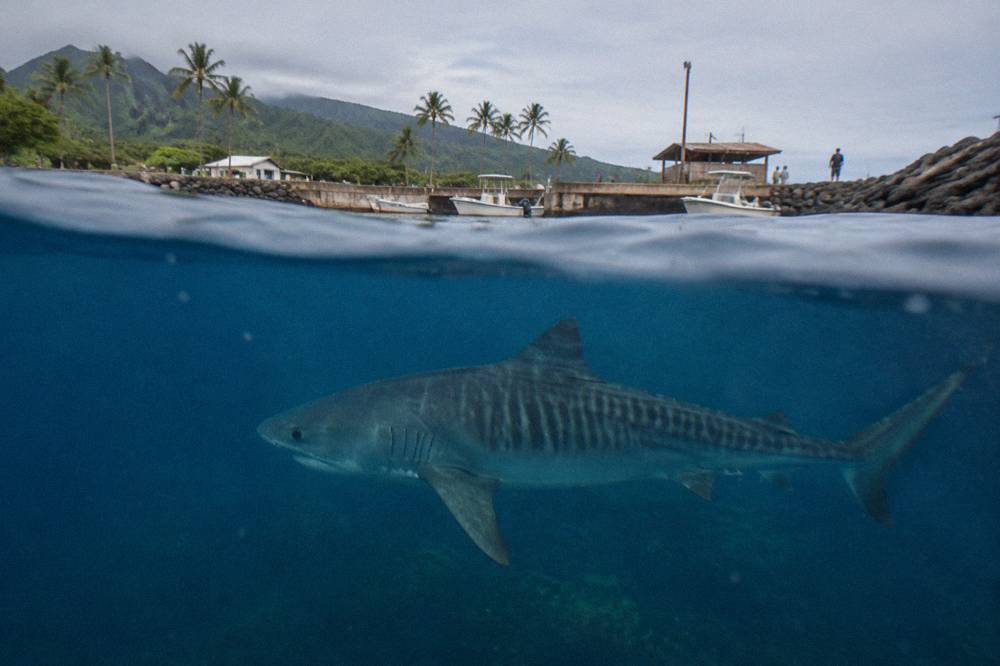
For a visitor, the practical takeaway is that October is the month where the "which shark" question gets interesting. Every other month, the answer is Galapagos and sandbar sharks with a slim chance of a tiger. In October, the tiger odds are the best they get, and the animals moving through are often large mature females. Whether that makes October the best month to go depends entirely on what you want from the trip. Photographers chasing a tiger shot should circle it. Nervous first-timers might prefer the steadier, calmer September window, when the water is at its warmest, around 80 to 81 degrees on ten-year averages, and the tiger odds are lower.
The cultural layer matters too. Operators on this coast emphasize the Hawaiian view of sharks as ʻaumākua, family guardians, and the shark god Kamohoaliʻi features in the briefings several companies give on the ride out. The seasonality science and the cultural framing are not in conflict; both describe a landscape where sharks are resident neighbors rather than intruders, present in every month, with October as the month the biggest neighbors pass closest.
If the idea of a scientist in the water appeals to you for an October trip, this swim-format tour is built around exactly that:
It runs a marine-scientist-guided cageless format rated 4.8 from 515 reviews, and the educational framing suits a month when the tiger shark story is at its most interesting.
Do Winter Swells Change Shark Activity?
Winter does not push the sharks away, but it changes your odds of getting to them. November through April brings large north and northwest swells to the North Shore, often 15 to 50 feet at surf spots like Waimea Bay, which raises tour cancellation rates and churns the water, while summer, May through September, delivers calmer seas and better visibility.
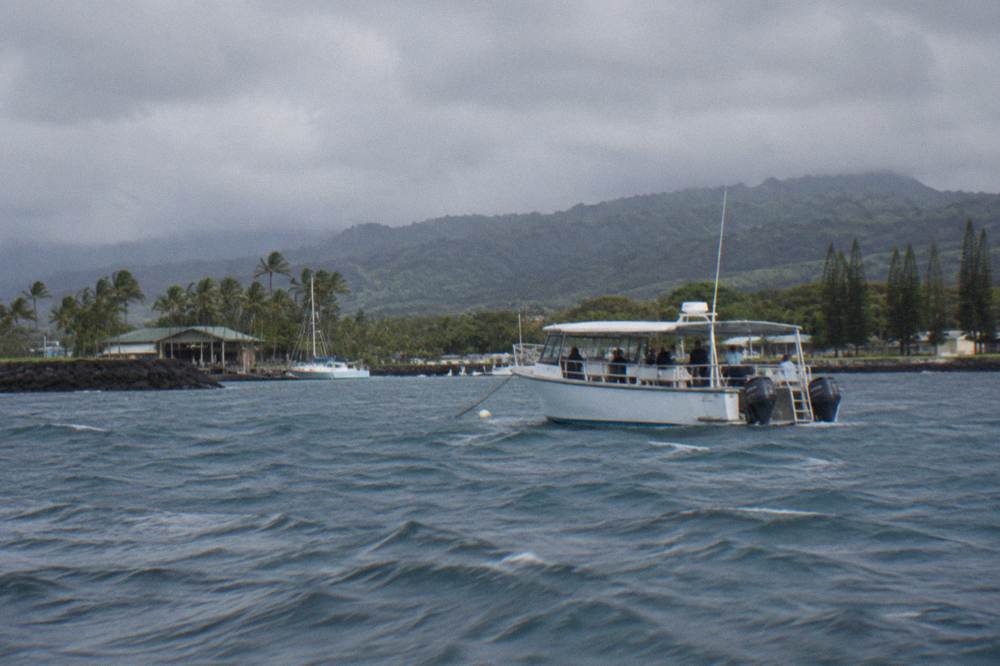
The distinction is between shark activity, which the resident species sustain year-round, and tour operability, which swings hard with the season. Operators still run in winter and still find Galapagos and sandbar sharks when they get offshore. But the same swells that fill Pipeline make the three-mile run out of Haleiwa bumpy, and rougher surface conditions mean more rescheduled trips and less pleasant rides for anyone prone to queasiness. If winter is your only window, book early in your stay so a weather cancellation leaves time to retry, and read up on handling seasickness on a shark boat tour before you commit.
Water temperature tells the same story in numbers. The PacIOOS and NOAA buoy at Waimea Bay recorded sea surface temperatures around 80.1 to 80.8 degrees in late September 2026, right at the annual warm peak. Ten-year averages put February and March at roughly 75 to 76 degrees, the coolest the North Shore gets. That is still swimmable, and tours supply wetsuit tops on several rosters, but the summer water is meaningfully more comfortable for the 20 to 40 minutes you spend at the surface watching the cage line.
Visibility follows the same curve. Operators describe summer water as deep blue with excellent clarity, sometimes beyond 150 feet at the offshore sites, while winter swells stir sediment and cut the viewing distance. For photographers, that difference is decisive. For someone who mainly wants to see a shark from inside a cage, a winter trip that actually launches still delivers the core experience, just through greener glass.
The full seasonal breakdown, including the month-by-month planning tradeoffs, lives in the guide to the best time of year for shark diving on Oahu, which goes deeper on weather than this article does on biology.
How To Pick Your Month And Your Tour
Pick May through September for the most reliable trip, October for the best tiger shark odds, and any month for Galapagos and sandbar sharks, which do not take a season off. Then match the tour format to your comfort level: the steel cage for maximum reassurance, a cageless swim for confidence and closeness, and a scientist-guided trip for the educational angle.
The month choice is genuinely low-stakes, which is the most useful thing this article can tell you. There is no bad month for the resident species, and the operators' year-round schedules exist because the sightings hold. The real decision variables are sea state, water warmth, tiger odds and crowd levels, and September hits the sweet spot on nearly all of them: peak water temperature, calm conditions, strong shark activity and thinner crowds than midsummer.
On format, the roster splits cleanly. The flagship steel-cage dive, North Shore Shark Adventures, rated 4.8 across 3,241 reviews, is the volume leader and the default choice for first-timers. It is also the featured trip for this article's question, because a year-round operator with that many departures is the best evidence that the sharks do not take a month off. The cageless options, including Island View Hawaii's 5.0-rated small-group swim and the marine-scientist-led trips, trade the barrier for proximity and suit confident swimmers.
The legal backdrop explains why all of this happens three miles out. Hawaii banned shark feeding in state marine waters in 2002 under HRS §188-40.6, so commercial operators run past the three-nautical-mile line into federal waters, where the sharks naturally aggregate around deep pelagic features. That structure has not changed, and no 2025 or 2026 legislative bill targeting shark tours was found in searches of the state legislature. The seasonality you are planning around is biology and weather, not regulation.
Booking flexibility is the quiet advantage of the peak window. Calm-season trips rarely cancel, and the operators' live listings carry the current prices and departure times, which shift more often than the sharks do. If October tiger odds are your target, book the scientist-guided format and ask the crew about recent tiger passes on the ride out; they track them daily, and that operator-level intelligence is the closest thing to a tiger forecast that exists.
Before the closing questions, here are the three formats side by side one more time:
Whatever month you choose, the resident Galapagos and sandbar sharks off Haleiwa are the near-certainty, and Shark Cage Diving Honolulu keeps the full operator and planning picture in one place.
Common Questions About Shark Activity In Oahu
What Month Are Sharks Most Active in Oahu?
May through September is the most reliable window overall, with calm seas, warm water around 80 degrees and consistent Galapagos and sandbar shark sightings. October is the standout month for tiger sharks, where peer-reviewed sighting data shows a clear peak. The resident species are present every month of the year.
Are sharks more active at a certain time of day?
No peer-reviewed or DLNR source establishes a time-of-day activity pattern for Oahu tour sites. Operators schedule morning departures mainly for sea state and logistics, since the North Shore typically sees building winds and chop later in the day, not because of documented shark behavior.
Is October dangerous for swimming in Oahu?
The October tiger shark peak is real, but the baseline is small: statewide, DLNR confirms roughly 6 to 10 incidents per year across all waters, and Oahu has recorded no shark-related fatality since 1994 in broader records. The October signal is a seasonal pattern on a low base, not a reason to avoid the ocean.
Can you see sharks on a North Shore tour in winter?
Yes. Galapagos and sandbar sharks are present year-round and operators run through the winter. The risk is to your schedule, not your sightings: large swells from November through April raise cancellation rates, so build a retry day into your trip if you book a winter departure.
Which shark species will I actually see?
Galapagos sharks and sandbar sharks, almost certainly, often in groups and frequently within inches of the cage. Tiger sharks are the seasonal bonus, most likely August through November. Great whites are not part of the encounter; they are rare winter visitors to Hawaiian waters with very few confirmed records.
Do shark tours in Oahu operate year-round?
Yes, the Haleiwa operators run schedules in every month, weather permitting. Summer trips launch with fewer disruptions, winter trips face swell-driven cancellations, but the deep pelagic sites roughly three miles offshore hold sharks in all seasons.