Where Is The Best Shark Cage Experience On Oahu?
A comparison of the North Shore cage dive operators out of Haleiwa, what actually differs between them, and how to pick the right one for your trip.
 By Shark Cage Diving Honolulu Editorial Desk, Honolulu shark cage diving charter research and booking desk
Where Is The Best Shark Cage Experience On Oahu?
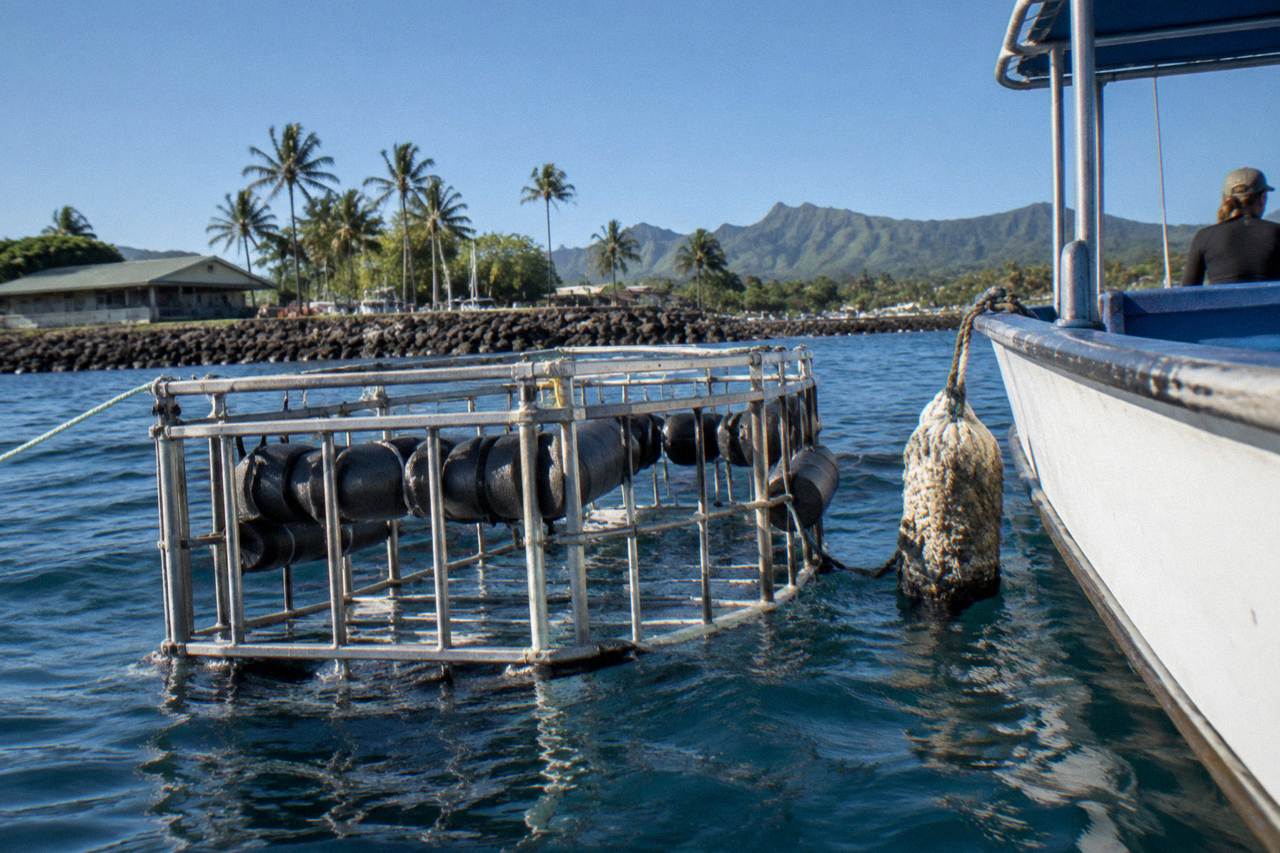
The best shark cage experience on Oahu is the North Shore run out of Haleiwa Boat Harbor, roughly 3 miles offshore in federal waters, where Galapagos and sandbar sharks reliably gather. Among the operators, North Shore Shark Adventures carries the largest review pool at 4.8 across 3,241 reviews, with a steel cage as the centerpiece. Hawaii Shark Encounters and Haleiwa Shark Tours both meet at Haleiwa Boat Harbor; travelers arrange their own way there.
That answer needs unpacking, because "best" depends on what you are buying. All three of the main cage operators launch from the same harbor, motor out past the three-nautical-mile state water boundary, and put you in a cage beside the same population of pelagic sharks. The differences that matter are practical ones: how you get to the harbor, what the cage is made of, how many people share it, and what the ticket includes beyond the water time.
To weigh those practical differences, the full ticket details for North Shore Shark Adventures lay out the cage setup, the group size, and everything covered beyond the water time.
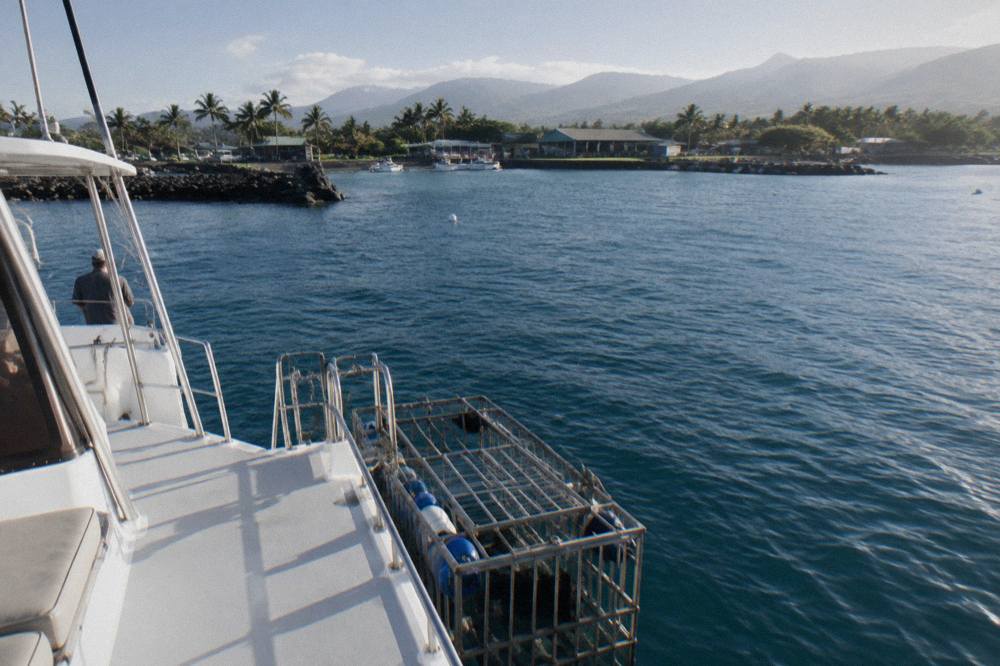
Haleiwa is not one option among several on this island. It is the option. State law bans shark feeding inside state marine waters, which extends three nautical miles from shore, so the licensed commercial operators run their boats out past that line into federal waters where the aggregation sites sit. That is why every serious cage dive on Oahu starts at the same small harbor on the North Shore, and why the question of "where" quickly becomes a question of "which boat."
If you want the short version before the detail: the flagship pick is North Shore Shark Adventures, the largest operator by review volume, with a steel cage. Hawaii Shark Encounters meets at Haleiwa Boat Harbor, so travelers from Waikiki arrange their own way there, whether by car, rideshare, or bus. Haleiwa Shark Tours is the smallest of the three, a scale that appeals to families and small groups, and like the others it meets travelers at Haleiwa Boat Harbor. Prices for all three sit on the live listings rather than in any fixed printed menu, so check the operator's listing for current rates before comparing.
Which North Shore Operators Run Cage Dives?
Three operators dominate the Haleiwa cage dive scene: North Shore Shark Adventures (4.8 from 3,241 reviews, steel cage), Hawaii Shark Encounters (4.8 from 1,556 reviews) and Haleiwa Shark Tours (4.9 from 313 reviews, smaller groups). All three hold commercial permits to operate outside state waters. A separate cluster of operators, including One Ocean Diving and Island View Hawaii, runs cage-free swims instead.
The three-name answer is worth stating plainly, because search results for this question tend to blur cage dives with cageless swims. The cage category out of Haleiwa is essentially these three companies. DLNR reporting around 2025 indicated roughly three commercial permits specifically for shark tours operating out of Haleiwa, which matches the picture: a small, permitted set of boats, not a crowded marketplace.
North Shore Shark Adventures is the volume leader. Its flagship trip uses a steel cage rather than a soft mesh or floating ring design. With 3,241 reviews at 4.8, it also has the deepest track record of the three, which matters if you book experiences partly on social proof.
Hawaii Shark Encounters is worth weighing against the drive most visitors actually have to make (see Sharks a Problem?). Haleiwa sits roughly 32 to 35 miles from Waikiki, typically 45 to 75 minutes each way depending on traffic, and a 7 AM departure time makes that drive an early one. The trade-off is a slightly smaller review pool, 1,556 reviews at the same 4.8 rating.
Haleiwa Shark Tours is the boutique entry. Its 4.9 rating comes from a much smaller pool of 313 reviews, so read it as a strong signal from a modest sample rather than a commanding lead. Its distinguishing feature is the smaller group size, useful for travelers who want a quieter boat.
Wondering whether the flagship trip fits your dates? The listing shows live availability, and free cancellation windows are typically offered if plans shift before your trip. Check availability for the North Shore Shark Adventures steel-cage dive before locking in your North Shore day.
What Actually Differs Between The Three Operators?
The real differences are the cage design, transport, inclusions and group logistics, not the sharks or the location. All three depart from Haleiwa Boat Harbor, run to the same offshore aggregation zone, and see the same Galapagos and sandbar sharks. North Shore Shark Adventures uses a steel cage; Hawaii Shark Encounters meets at Haleiwa Boat Harbor; Haleiwa Shark Tours runs smaller groups.
Here is the comparison that matters at booking time:
| Operator | Rating and reviews | Cage type | Transport | Standout inclusion |
|---|---|---|---|---|
| North Shore Shark Adventures | 4.8 from 3,241 reviews | Steel cage | Self-drive to Haleiwa Harbor | Largest review pool |
| Hawaii Shark Encounters | 4.8 from 1,556 reviews | Cage dive | Self-drive or rideshare | Deepest review pool after the flagship |
| Haleiwa Shark Tours | 4.9 from 313 reviews | Cage dive | Self-drive or rideshare | Smaller-group feel |
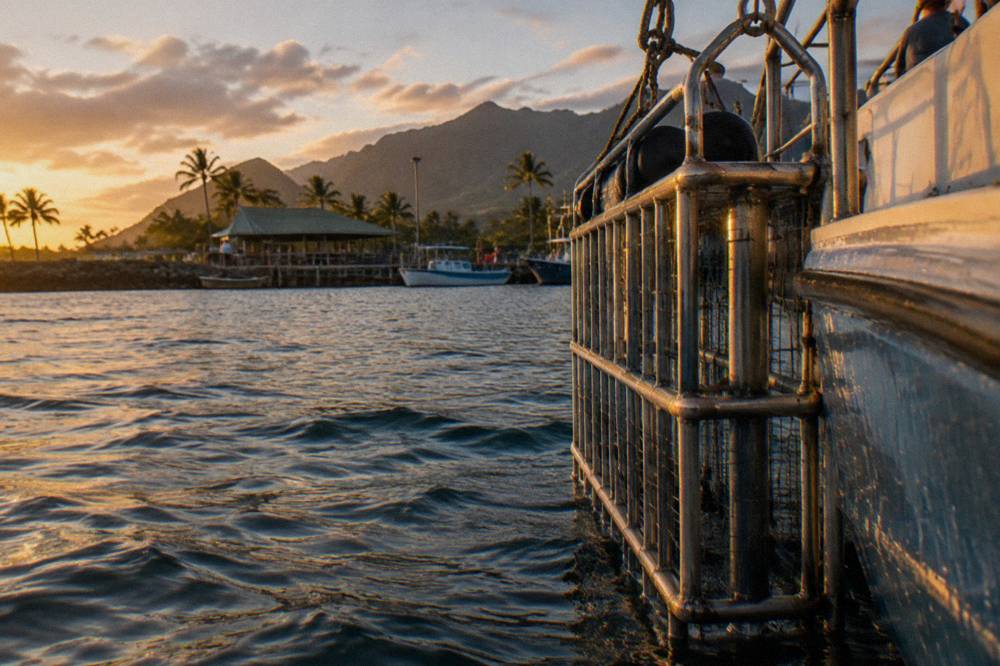
A few notes on reading that table. The rating gap between 4.8 and 4.9 is not meaningful on its own; a 4.9 from 313 reviews and a 4.8 from 3,241 reviews are both excellent scores, but the larger pool is the more statistically reliable signal. Cage type is the one hardware difference: a steel cage is a rigid structure you enter from the boat, and it photographs well, which matters if you have read our guide to shark cage diving photo setups.
Transport is where most itineraries are won or lost. If you have a rental car, all three work, and the drive itself is a classic Oahu route along Kamehameha Highway. If you are carless in Waikiki, no operator removes the drive for you; every tour meets at Haleiwa Boat Harbor, so a rental car, rideshare or bus is your biggest friction point in the whole experience.
The inclusions column deserves a caveat. Prices for all three operators are on the live listings and shift with season and demand, so treat cage type as the differentiator, not any specific dollar figure. A midsize rental car on Oahu sampled around $64 per day base, before taxes and surcharges, is a fair planning reference for the self-drive.
Hawaii Shark Encounters deserves a closer look if review pool is your deciding feature. Its 4.8 rating across 1,556 reviews makes it the second-strongest-reviewed operator, and the water time is spent in the same deep blue water as the flagship trip.
Where Do The Boats Depart From?
All three cage operators depart from Haleiwa Boat Harbor on Oahu's North Shore, roughly 32 to 35 miles and 45 to 75 minutes from Waikiki depending on traffic. The harbor offers free parking, public restrooms and boat ramps, and the run out to the shark grounds takes the boats about 3 miles offshore into federal waters.
The harbor itself is a working facility, not a tourist pier. DLNR's Division of Boating and Ocean Recreation manages it, and it offers ample free parking including truck and trailer spaces, public restrooms, a vessel washdown and loading docks. If you self-drive, arriving 20 to 30 minutes before check-in is the standard advice, because the parking fills on days when multiple boats depart close together. Everything else covered here is indexed on Shark Cage Diving Honolulu.
The drive up is the part people underestimate. The fastest route from Waikiki runs H-1 west to H-2 north, then Kamehameha Highway through Wahiawa, roughly 44 minutes without traffic but closer to an hour and ten minutes in typical conditions. Rush hours, big-surf days and Friday afternoon northbound flows all add time, and the two-lane Kamehameha Highway sections near Wahiawa slow noticeably. Early departures are not just a tour preference, they are a traffic reality.
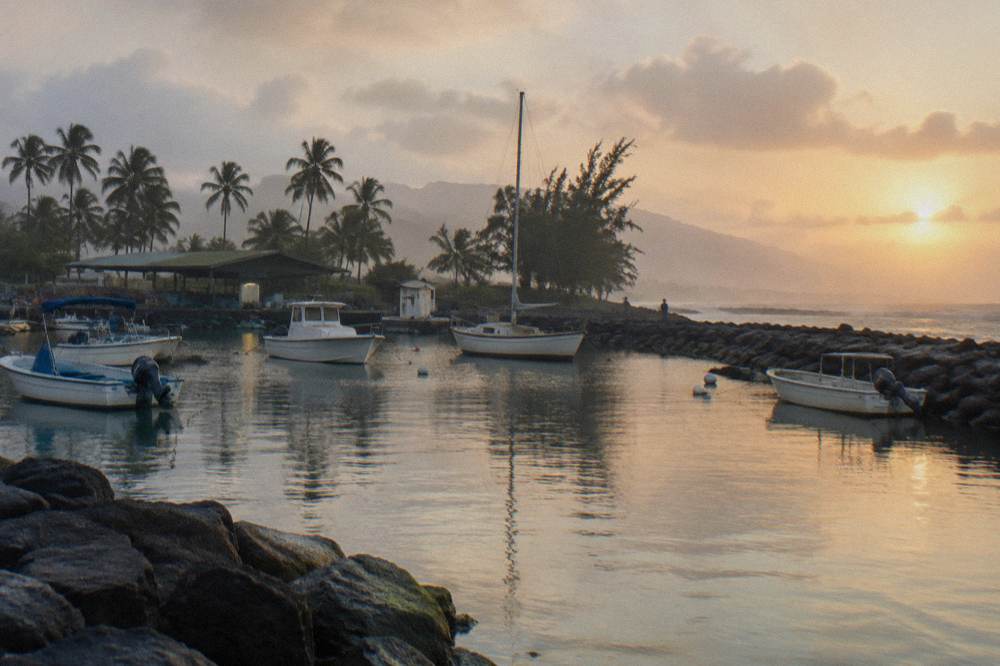
For a deeper look at the harbor, its facilities and the town around it, see the Haleiwa boat harbor guide. Haleiwa town itself is worth 30 minutes after your trip: shops, shave ice and the historic Rainbow Bridge area sit within walking distance of the harbor lots.
One logistical footnote from the 2026 season: that community shuttle pilot runs on a limited schedule and is not built for a timed dive departure, but it matters if you are building a wider North Shore day around the trip.
Which Sharks Will You See From The Cage?
Galapagos sharks and sandbar sharks are the species the North Shore tours most consistently report, typically ranging from about 5 to 15 feet, with tiger sharks appearing occasionally and more often in late summer and fall. There are no great white sharks on these tours; great whites are rare winter visitors to Hawaiian waters and are not part of the commercial encounter off Haleiwa.
That last point matters, because plenty of people arrive with a mental image built from South Africa or California documentaries. The Hawaiian cage experience is a different ecological setting. The boats stop over deep pelagic water, often described as 150-plus feet of visibility over sites nearly 300 feet deep, where sharks aggregate naturally around historical fishing-boat activity areas rather than around seal colonies.
Because expectations shaped by other shark destinations rarely match the Hawaiian reality, reading through the North Shore shark cage tour overview before booking helps set an accurate picture of the open-water encounter.
The behavior differs too. Galapagos and sandbar sharks are curious requiem sharks that glide close to the cage, sometimes within inches of the bars, without charging it. Reviews from the 2026 season describe groups of seven to twenty Galapagos sharks circling calmly, which is the signature experience the operators sell. Tiger sharks, when they appear, are larger and less frequent.
The science backs up what the tours report. A recent baited remote underwater video study around Oahu documented 12 elasmobranch species, numerically dominated by sandbar sharks, with Galapagos and sandbar sharks both increasing in abundance at greater depths, and a 2026 analysis in Frontiers in Marine Science found tiger shark sightings at North Shore ecotourism sites peak in October. If seeing a tiger is your goal, late September through November is the window to target, though no operator guarantees it.
For species detail and photos, see our guide to what sharks you will see on the North Shore.
Is The Cage Dive Worth The Drive From Waikiki?
For most visitors, yes. The round trip costs two to three hours of driving, but the experience, sharks within inches of a steel cage in 150-plus feet of visibility, is not available anywhere else on Oahu, and reviewers consistently rate all three operators at 4.8 or higher. The main reasons to skip it are severe seasickness, very tight schedules and morning-of hesitation, since conditions and early starts punish both.
The honest case against starts with the drive, covered above, and continues with the ocean. The boats run roughly 3 miles offshore, and the ride out can be bumpy even in summer. Winter swells from November through April raise cancellation rates and make the surface interval rough, so May through September is the steadier season, with September often cited as the sweet spot of calm water and thinner crowds. If you are prone to motion sickness, read up on managing seasickness on shark boat tours before you commit.
The honest case for is that this is one of the most accessible pelagic shark encounters anywhere. The water is warm year-round, roughly 75 to 76 degrees at its coolest in February and March and around 80 to 81 degrees in September, so no thick wetsuit logistics are involved. Sightings are reliable enough that one operator in the cage-free category advertises a shark guarantee, and the cage category's review pools show thousands of guests leaving satisfied.
Safety questions deserve a straight answer rather than a reassuring one. DLNR's official incident log shows no fatalities for commercial North Shore shark tours in its records, and the documented bites tied to shark swims off Haleiwa are classified as provoked incidents in the cageless category, not cage dives. The cage itself, the distance from the sharks' feeding motivation and the permitted, inspected-boat framework all contribute. For the fuller picture, including how cage and cageless trips compare on risk, see is cage-free shark diving in Oahu safe (see Cage Diving Risk).
If you are still weighing the whole idea against its price tag, the deeper analysis is in is shark diving in Oahu worth it.
How Do You Choose Between The Three?
Choose North Shore Shark Adventures for the biggest operation and steel cage; choose Hawaii Shark Encounters for the second-deepest review pool; choose Haleiwa Shark Tours for the smallest groups. All three deliver the same core experience from the same harbor and none includes hotel pickup, so pick on logistics, not on the sharks.
A quick decision frame by traveler type. Solo travelers and couples without a car: Hawaii Shark Encounters, since the review pool is deep enough to trust even though the drive is still yours. Families with kids: check the age requirements first, then lean toward whichever operator's transport suits your group size; Haleiwa Shark Tours' private option shines here. Photographers and anyone who wants the most-reviewed trip: the flagship steel-cage dive.
Haleiwa Shark Tours earns its place on the shortlist for travelers who want the same water with fewer strangers. Its 4.9 from 313 reviews is a strong score from a boutique operation, and the smaller group size is genuinely unique among the three.
Whatever you choose, book the earliest departure you can manage. Morning water is typically calmer, the drive up is faster before rush-hour bottlenecks build, and the afternoon is free for Haleiwa town and the rest of the North Shore. Bring a towel, a dry layer and something for motion sickness if you are unsure, and leave the rest to the boat.
Common Questions About The Best Shark Cage Experience On Oahu
Where Is the Best Shark Cage Experience on Oahu?
The best shark cage experience on Oahu is the North Shore run out of Haleiwa Boat Harbor, about 3 miles offshore in federal waters. Among the operators, North Shore Shark Adventures leads on review volume at 4.8 from 3,241 reviews with a steel cage; Hawaii Shark Encounters follows at 4.8 from 1,556 reviews, and Haleiwa Shark Tours runs the smallest groups at 4.9 from 313 reviews.
Do all Oahu shark cage tours leave from the same place?
Yes. Every commercial cage operator on Oahu departs from Haleiwa Boat Harbor on the North Shore, because state law bans shark feeding within three nautical miles of shore and the licensed operators work outside that line in federal waters where the sharks aggregate.
Which Oahu shark cage tour is best for Waikiki visitors?
Hawaii Shark Encounters is a strong pick for visitors staying in Waikiki. The tour meets at Haleiwa Boat Harbor, and you cover the 45 to 75 minute drive each way yourself. It carries a 4.8 rating from 1,556 reviews and runs the same offshore cage experience as the other operators.
Will I see great white sharks in the cage on Oahu?
No. Great whites are rare winter visitors to Hawaiian waters and are not part of the commercial encounter off Haleiwa. The tours consistently see Galapagos sharks and sandbar sharks, typically 5 to 15 feet, with occasional tiger sharks more likely in late summer and fall.
Is one operator clearly safer than the others?
No. All three operate under DLNR commercial permits, run from the same harbor and follow the same regulatory framework outside state waters. DLNR's incident log shows no fatalities for commercial North Shore shark tours in its records, and the documented bites tied to Haleiwa shark swims are classified as provoked incidents in the cageless category.
How far in advance should I book a Haleiwa cage dive?
Book as early as your dates allow, especially for summer departures when the operator schedules are steadiest and demand is highest. Morning slots go first, and since every operator departs from the same harbor, the earliest boat usually gets the calmest surface conditions.