GoPro And Camera Tips For Shark Cage Diving On Oahu
A camera can make or break a shark cage dive. Here is what to bring, what settings to use, and what actually photographs well three miles off Haleiwa.
Short answer
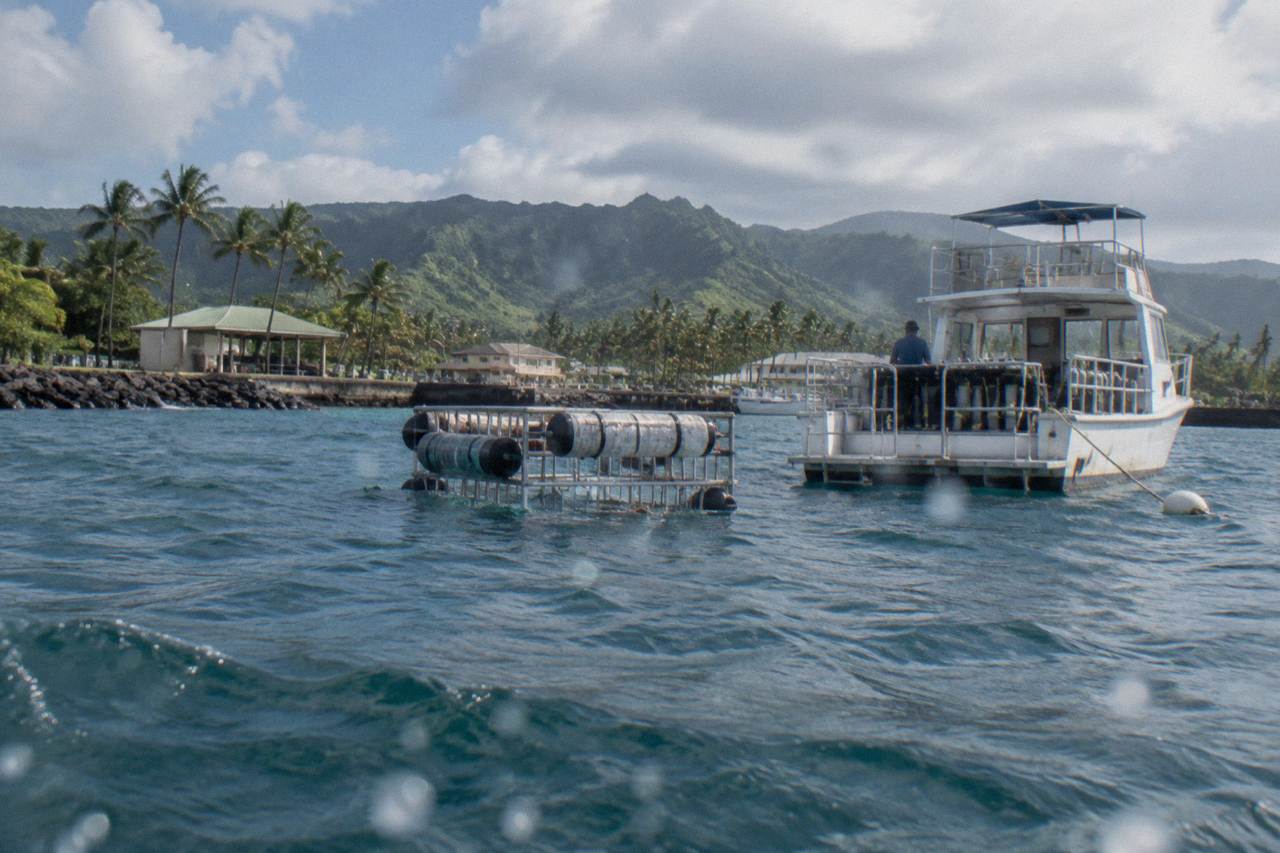
Bring a GoPro (any recent model) in a solid housing, shoot 4K at 60fps on a wide lens, and use a red filter or underwater color setting. Water off Haleiwa runs about 75 to 81 degrees Fahrenheit with visibility that can exceed 150 feet, so conditions are usually excellent for footage.
What Camera Settings Work Best Inside A Shark Cage?
The single most useful setup for a shark cage dive is a GoPro shooting 4K at 60fps on a wide lens, with the underwater or red-filter color mode switched on and image stabilization left running throughout. Sharks off Haleiwa move fast and pass close, so a high frame rate matters more than maximum resolution, and the wide lens matters more than either. A steady 60fps gives you clean slow-motion options in editing, and stepping up to an even higher frame rate at reduced resolution suits dramatic slowdowns. Shoot wide, not linear, because a Galapagos shark at arm's length from the bars will not fit a narrow field of view.
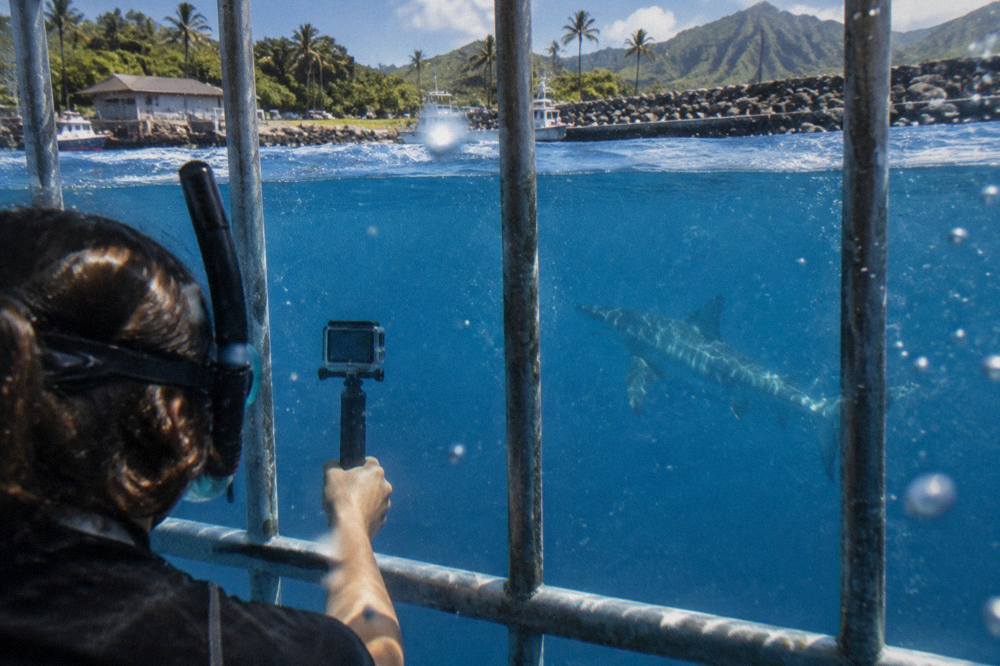
Light behaves differently three miles offshore than it does at the beach. The boats work deep pelagic blue water, often over spots described as nearly 300 feet deep, and visibility can run past 150 feet on calm days. That clarity is a gift for cameras, but the color blue dominates everything, and reds drop out of the frame within a few feet of the surface. A red filter or the camera's built-in underwater color profile restores the warm tones; without one, your sharks will look steel-gray against a cyan wash, which is accurate but flat.
Two practical settings decisions before you leave the dock. First, set your white balance and color mode on the boat, not in the water, because the cage rocks and the menu screen is hard to read through a housing. Second, decide your frame rate for the whole session and stick with it, since mixing clips shot at different rates makes editing slower. If you only remember one line from this section: 4K at 60, underwater color on, stabilization on, and let the camera run in long takes rather than chasing sharks with short bursts.
| Setting | Recommended value | Why it matters in the cage |
|---|---|---|
| Resolution / frame rate | 4K at 60fps, or a higher frame rate at reduced resolution | Sharks pass fast; high frame rates allow slow motion |
| Field of view | Wide (SuperView optional) | Close passes will not fit a linear lens |
| Color profile | Underwater mode or red filter | Reds vanish within a few feet of the surface |
| Stabilization | On | The cage moves with every swell |
| Clip strategy | Long continuous takes | Editing down is easy; missed passes are not |
| Battery | One spare per hour of shooting | Cold water and long sessions drain cells faster |
Will A GoPro Survive A Shark Cage Dive Off Haleiwa?
Yes, a GoPro in its standard protective housing handles cage diving without any special equipment, and it is the most common camera on these boats for exactly that reason. The stock housing is rated well beyond the few feet of depth a floating cage sits at, and the bigger risks are losing the camera or scratching the lens, not flooding it. The cage itself is a fixed steel structure at the surface, so you are never fighting pressure, only motion and spray.
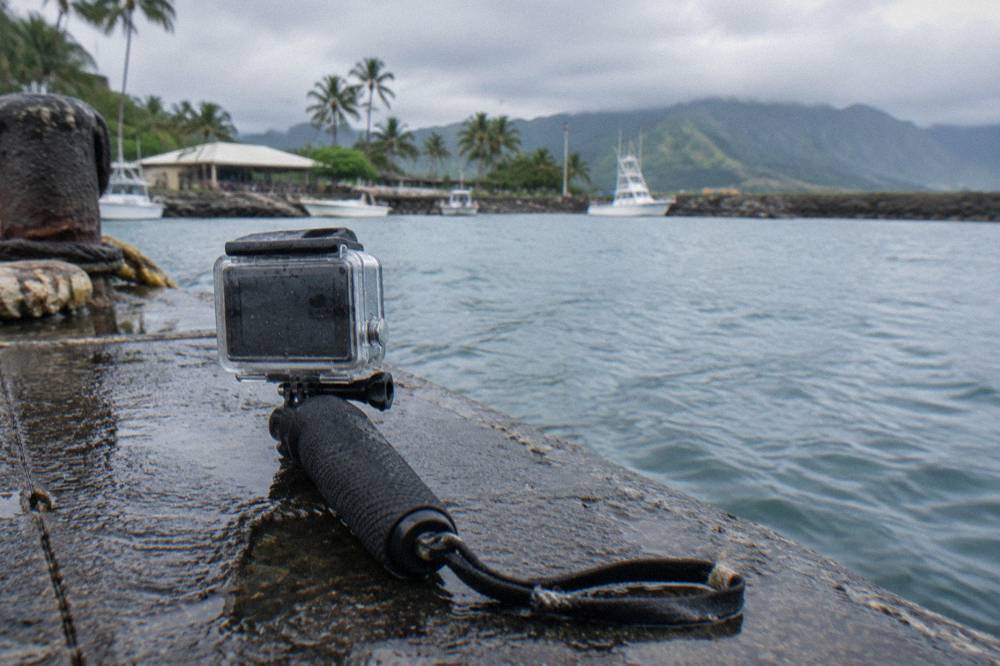
The real equipment question is mounting, not waterproofing. Handholding works, but the cage rocks with every swell and a bare camera in a gloved or wet hand is one lurch away from the ocean. A short pole or hand grip, ideally with a floaty backdoor or floating wrist strap, is the standard kit among repeat divers on the North Shore. A wrist mount keeps both hands free for the cage ladder while the camera stays attached.
One honest limitation to plan around: the cage bars themselves. Every cage shot includes steel in part of the frame, and the strongest compositions lean into that rather than fighting it, shooting between the bars with the structure as a natural frame edge. If the idea of bars in the shot bothers you, a cage-free swim is the alternative format, and the comparison is laid out in the cage versus cageless shark diving guide. For the classic cage experience, the flagship steel-cage dive, the North Shore Shark Adventures trip carries the largest review pool on this roster at 4.8 across 3,241 reviews, and you can Check availability alongside the full tour page.
Between the cage and the boat, keep the camera in a pocket or clipped to you rather than set down on a wet bench. Boats pitch, gear slides, and the most common lost-camera story on any shark tour is a camera left on the gunwale during the ride back. A dry bag for the transit and a microfiber cloth for the lens, salt spray dries into a film that ruins the next hour of footage, complete the kit.
Should You Rent A Camera Or Bring Your Own?
Bring your own if you own anything recent, because rental add-ons on shark tours typically cost extra per person and a camera you already know will outperform one you meet on the dock. Rental pricing varies by operator and is listed on each tour's live listing rather than quoted here, so check the add-on section before assuming it is bundled with the base fare. The operators on this roster do not include cameras in the base trip.
The case for renting is narrow but real. If you flew to Oahu without a camera and do not want to buy one for a single morning, a rental GoPro with a pole mount solves the problem for a modest fee, and the crew will hand it over already configured. The case against is familiarity: exposure lock, frame rate and color settings are exactly the things a first-time user gets wrong, and a shark pass lasts seconds. If you rent, ask the crew to confirm the settings before you board and do not touch them.
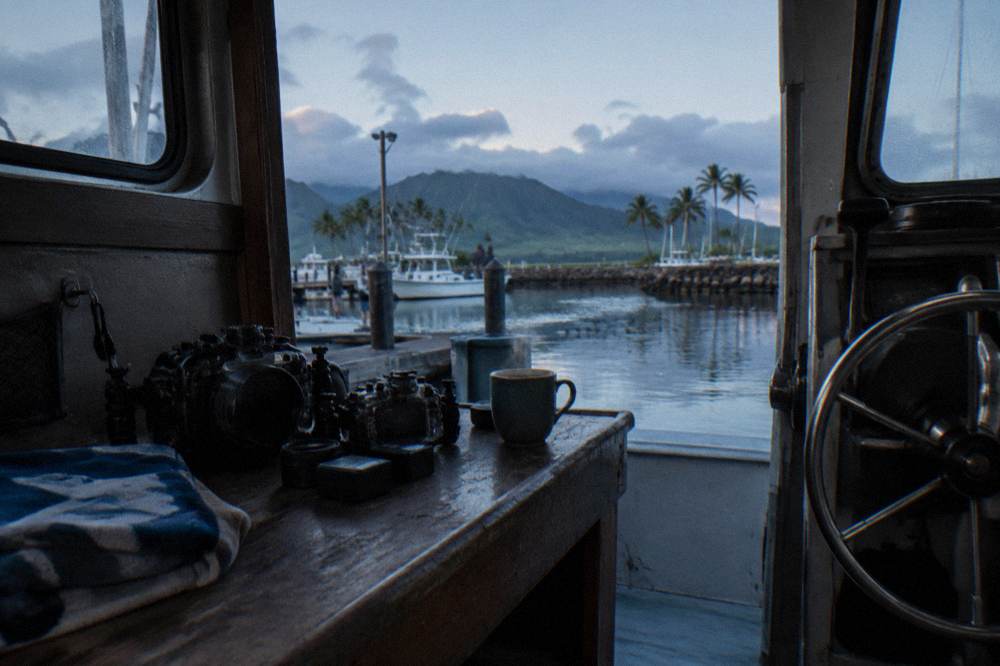
Phone cameras deserve a direct word. A recent phone in a waterproof case can produce genuinely good surface footage, and the boats depart from Haleiwa Boat Harbor, which offers free parking and public facilities, so there is a place to leave gear you do not want on the water. But phones are awkward in a housing, the touch screen is unreliable through wet plastic, and the zoom that makes phones great on land is useless for fast-moving sharks. Treat a phone as the backup, not the plan.
For readers weighing the whole outing against its cost, the shark cage diving price guide breaks down what the trip itself runs and where add-ons like photos and rentals land in the budget. Read the add-on list on the operator's live listing before you go, because that is where rental cameras, photo packages and transport upgrades are priced.
What Actually Photographs Well From A Shark Cage?
Close, wide, backlit pass-bys photograph brilliantly; distant sharks, murky surface chop and any shot taken against the sun photograph badly, and planning around that difference is most of the craft. Galapagos and sandbar sharks, the two species these tours see most consistently, frequently glide to within inches of the bars and behave calmly and curiously, which is exactly the behavior a camera loves. Groups of seven to twenty individuals appear in some guest accounts, so the subjects are usually generous.
The strongest footage from Haleiwa cages shares a few traits. The shark fills a third or more of the frame. The camera is angled slightly down or sideways into the blue rather than at the surface, where wave glare eats the contrast. And the shot was rolling before the shark arrived, because the pass that photographs best is the one you did not see coming. Reviewers regularly describe Galapagos sharks in the 8 to 12 foot range; an animal that size close to the lens makes even mediocre settings look good.
| Shot type | How it usually turns out | What to do |
|---|---|---|
| Shark passing inches from the bars | Excellent; scale and detail carry it | Roll continuously, wide lens |
| Shark silhouetted against the surface | Poor, glare and backlight kill detail | Angle down into the blue instead |
| Diver in cage with shark behind | Strong if both faces are lit | Frame the person first, wait for the pass |
| Surface shots from the boat | Good for context, weak for sharks | Use for the story, not the hero clip |
| Distant mid-water sharks | Small and hazy | Let them pass; the close ones come |
| Cage structure with blue water | Underrated; the bars read as scale | Use bars as a natural frame edge |
One thing that does not photograph well: hype. If the water is churned by wind or swell, visibility drops and no setting rescues it, which is one reason the best time of year guide points calm-season readers at May through September. The same calm stretches that smooth the boat ride clear the water, and the two benefits compound for cameras.
Which Mounts And Accessories Are Worth Packing?
A short hand grip or pole, a floating strap, one spare battery and a microfiber cloth are the four accessories that earn their space, and everything else is optional weight. Filters deserve a fifth spot if your camera lacks a built-in underwater color mode. Domes, trays and dual handles, the gear that matters for scuba diving, are overkill for a surface cage and get in the way of the bars. Keep the kit small enough to manage one-handed in a rocking cage.
Batteries deserve their own sentence. Cold water and continuous recording drain cells faster than the specs suggest, and a shark session can run well past an hour on the water. One spare battery per hour of expected shooting is the planning range crew members tend to recommend, though exact consumption depends on your model and the temperature, so check your camera's real-world numbers rather than the box. Charge everything the night before; Haleiwa is a 45 to 75 minute drive from Waikiki depending on traffic, and early departures leave no time for a top-up.
The harbor itself is camera-friendly in the mundane ways that matter. Haleiwa Boat Harbor offers free parking and public restrooms, so you can rig up on dry land, leave the dry bag in the car, and board with only what the water needs. The Haleiwa boat harbor guide covers the layout if you want the full picture before the morning of.
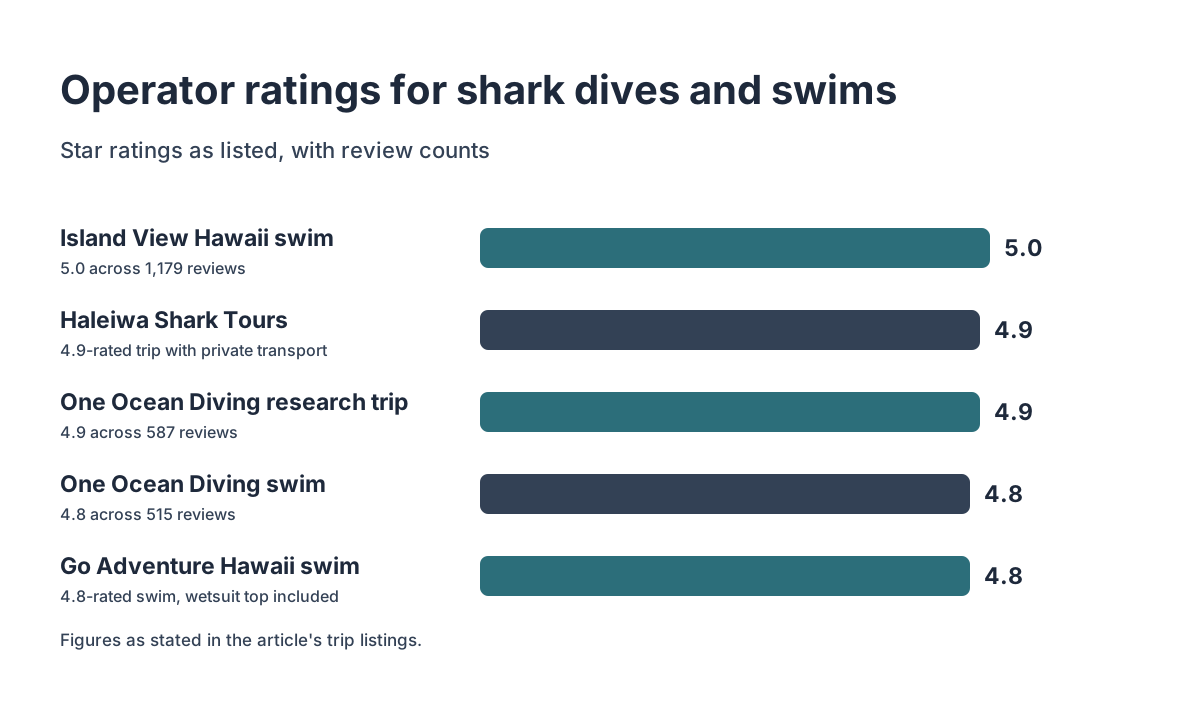
For a smaller-group trip that suits a heavy camera bag, Haleiwa Shark Tours runs a 4.9-rated trip; it meets at Haleiwa Boat Harbor, so you arrange your own way there and your own parking.
How Do You Shoot A Cage-Free Shark Swim?
Cage-free swims are shot handheld with no barrier in frame, which means steadier footage, more blue in every shot, and a bigger premium on calm water and a wide lens. The cageless format is the same stretch of deep blue water, roughly three miles offshore, but the steel frame that anchored your composition is gone and the sharks are the only structure left in the shot. That freedom is exactly why the footage can look better and why it is easier to miss the moment.
The flagship cageless option on this roster is Island View Hawaii's small-group swim, rated 5.0 across 1,179 reviews, the strongest rating-to-volume profile of any trip listed here. Small groups matter for cameras directly: fewer bodies in the water means fewer flippers in your frame and more room to position yourself for the light. A wetsuit top is included on Go Adventure Hawaii's 4.8-rated swim, which also keeps your camera hand from going numb on longer sessions.
One Ocean Diving's marine-scientist-guided swim, 4.8 across 515 reviews, adds a layer that photographers quietly love: the guides' species and behavior commentary tells you where to look before the pass happens. Their research-focused trip, 4.9 across 587 reviews, lists a shark guarantee on the live listing, and a guarantee changes how you allocate battery and memory card.
Safety framing belongs in any honest cage-free camera discussion (see Cage-Free Safety). The state prohibits shark feeding in state marine waters under HRS § 188-40.6, which is precisely why these operators run past the three-nautical-mile line, and no fatalities on commercial North Shore shark tours appear in DLNR's incident records. The practical camera takeaway: keep your hands to yourself, let the animals set the distance, and the footage will come to you. The species you are filming are confirmed on the DLNR Hawaii shark species list.
What Mistakes Ruin Shark Cage Footage?
The four footage-killers are chasing sharks with short clips, shooting into the sun, forgetting the color correction, and draining the battery mid-session, and all four are avoidable with a checklist. None of them require expensive gear to fix. They require decisions made on the dock instead of in the water, when your attention should be on the animals and not on the menu screen. Every one of them has cost someone a hero clip.
The clip-chasing mistake is the most common. A shark pass is over in seconds, and the instinct to hit record when you see one guarantees you capture the tail of the pass and miss the approach. Long continuous takes, trimmed later, beat a memory card full of half-passes. Storage is cheap; a high-capacity card holds hours of 4K and removes any excuse for rationing.
The sun mistake is the sneakiest, because it is a positioning error rather than a settings error. Ask the crew which side the light will favor before the cage fills, and claim that spot. Backlit sharks turn into silhouettes no profile can rescue, while front-lit or side-lit water shows the blue depth that makes this stretch of ocean look the way it does. The light changes over a multi-hour session, so reposition when the angle does.
The last mistake is logistical: booking a trip without reading what the operator provides and what it does not. The choosing a shark tour operator guide compares the boats on this roster, and each listing names its own add-ons, from rental cameras to transport (see Choosing an Operator). A wetsuit-top-included option like Go Adventure Hawaii's 4.8-rated cageless swim, 153 reviews, removes one more thing to pack and one more thing to forget.
What Should Your Photo Plan Look Like On The Morning Of The Dive?
A workable morning plan is: charged spares and a formatted card the night before, rig the housing and confirm settings before the drive, claim the light-favored spot in the cage, and roll long takes the entire water time. The drive from Waikiki runs about 45 minutes without traffic and closer to 75 at the heavy end, so the camera work starts before you leave, not at the harbor. Everything after the dock should be muscle memory.
Sequence matters because the window is short. Most trips spend their water time in a single block, and the sharks' curiosity peaks early, when the boat first settles at the site. Treat the first twenty minutes as your best footage window and have the camera rolling from the moment the cage drops, not from the moment you spot something. The animals that approach inches from the bars tend to come early and often.
| Time | What to do | Camera priority |
|---|---|---|
| Night before | Charge batteries, format card, test housing seal | Spares and storage ready |
| Before the drive | Set resolution, frame rate, color mode | Do not touch settings again |
| At the harbor | Rig grip and strap, microfiber in pocket | Everything attached to a person |
| First 20 minutes in water | Roll continuously, wide lens | Best passes usually come early |
| Mid-session | Swap battery at a lull, recheck lens for spray | Clean glass, fresh power |
| Ride back | Camera stowed, not on the bench | Footage survives the trip home |
One last planning note: the same calm-season window that makes filming easier also makes the drive easier, since big winter swells slow the two-lane sections of Kamehameha Highway and cancel more trips outright. Wave and temperature conditions off the North Shore are tracked live by the PacIOOS Waimea Bay buoy, worth a glance the day before you shoot. And if you are still deciding whether the whole outing earns its price, the honest breakdown lives in is shark diving in Oahu worth it.
Once the swell report and the value question both point toward going, the practical next step is simply reserving a seat through the North Shore Shark Adventures tour page.
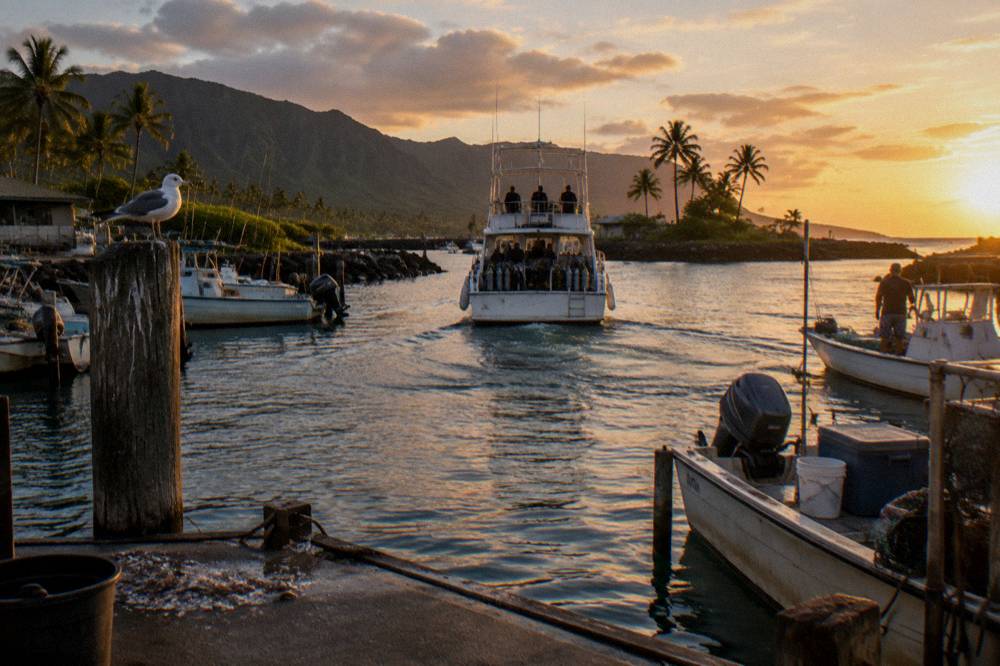
Between the settings, the mounts and the morning sequence, the plan is less about gear and more about decisions made early. The sharks off Haleiwa are consistent, the water is often startlingly clear, and the operators on this roster have built their businesses on both. The camera's only job is to be rolling when that combination shows up. This site, Shark Cage Diving Honolulu, keeps the operator comparisons and logistics guides current so the filming is the only thing you have to improvise.
Common Questions About Shark Cage Diving Photography
What camera settings work best for shark cage diving?
Shoot 4K at 60fps on a wide lens, with the underwater color mode or a red filter switched on and stabilization active. Set everything on the boat before entering the cage, then roll long continuous takes instead of short clips.
Will a GoPro survive a shark cage dive?
Yes. The standard GoPro housing is rated far beyond the surface depths a floating cage sits at. The real risks are dropping the camera and scratching the lens, so use a hand grip with a floating strap and keep a microfiber cloth handy for spray.
Should I rent a camera on the tour or bring my own?
Bring your own if you have anything recent, because a camera you already know beats one you meet on the dock. Rentals are listed as paid add-ons on each operator's live listing and make sense mainly if you traveled without a camera at all.
What actually photographs well from a shark cage?
Close, wide pass-bys photograph brilliantly, since Galapagos and sandbar sharks often glide to within inches of the bars. Distant sharks, shots into the sun and churned surface water photograph poorly, so angle into the blue and roll before the shark arrives.
Do I need a red filter for shark cage footage?
If your camera has a built-in underwater color profile, that is usually enough at surface depths. A physical red filter helps most on older models or when footage still looks washed cyan. Either way, color correction is the single biggest quality jump after frame rate.
How many batteries should I bring?
Plan on one spare battery per hour of expected shooting. Cold water and continuous recording drain cells faster than the specs suggest, and there is no charging opportunity between the harbor and the cage.