Free Things To Do On Oahu's North Shore
The North Shore is the part of Oahu where the best things cost the least. Here is how to build a full free day around Haleiwa, from beaches and turtle spotting to viewpoints and harbor walks, without paying for anything but gas.
Short answer
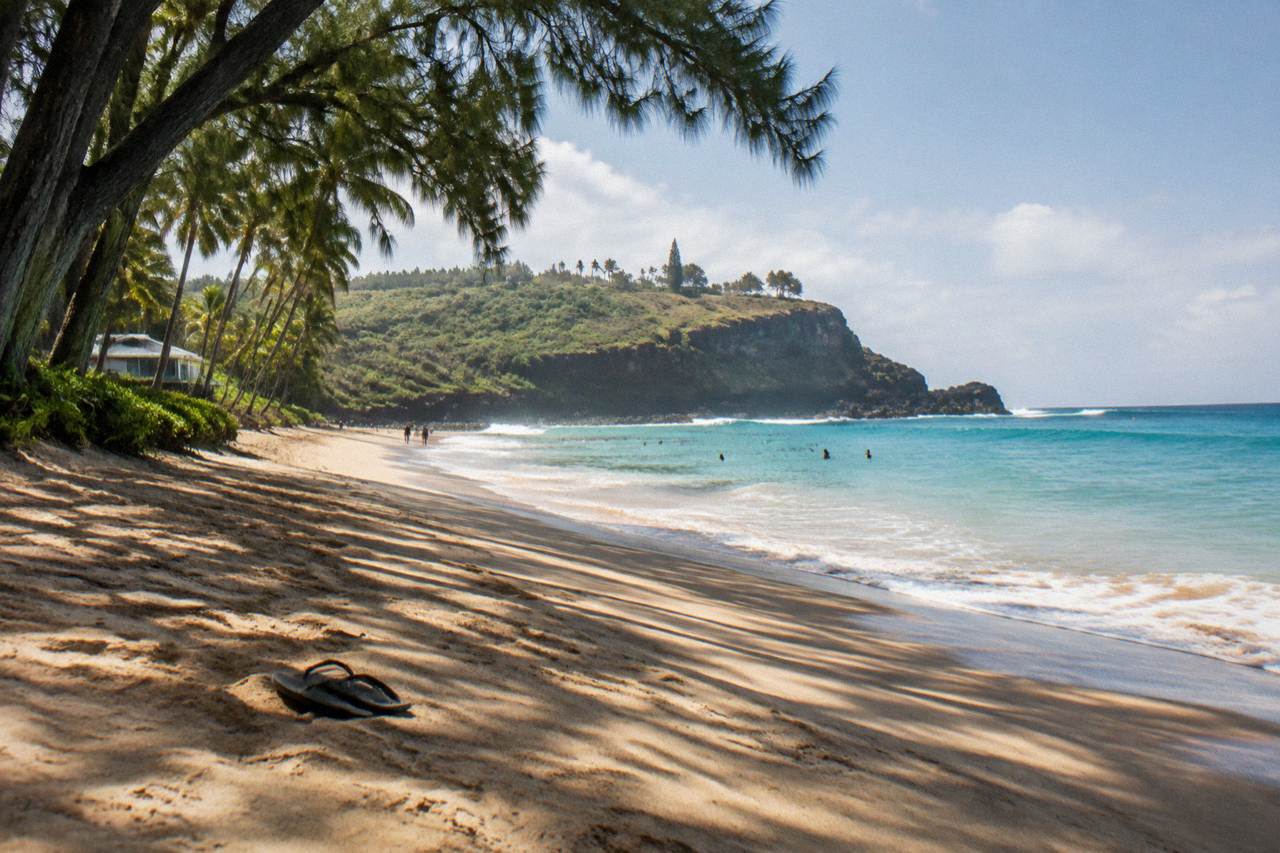
The best free things to do on the North Shore are the beaches themselves: Waimea Bay, Sunset Beach, Ehukai and Laniakea, plus Haleiwa Beach Park, the Rainbow Bridge walk and the harbor. Parking at Haleiwa Boat Harbor is free, restrooms are free, and the drive from Waikiki runs about 45 to 75 minutes depending on traffic.
The North Shore of Oahu sells itself short when people treat it as a place you pay to enter. Almost everything that makes the coast famous, the waves, the sand, the turtles, the roadside shrimp trucks and the small-town feel of Haleiwa, is free to stand in front of and look at. What you pay for on the North Shore is mostly food, parking in a few crowded lots, and the one big ticket item this site exists to cover: the shark cage dive out of Shark Cage Diving Honolulu's home harbor in Haleiwa.
Since everything else on the coast asks nothing of your wallet, the one expense worth pausing over is the shark cage dive out of Haleiwa, and it deserves a slow look rather than an impulse.
This guide walks through the genuinely free side of a North Shore day. Every beach, park and viewpoint listed here costs nothing to visit, and the practical details, parking, restrooms, drive times and seasonal warnings, come from official harbor and state sources rather than brochure copy. If you are pairing a free morning with a shark tour, the logistics section shows how the two fit together, since most tours leave from Haleiwa Boat Harbor and the harbor itself is one of the more pleasant free stops on the coast.
What Are The Best Free Things To Do On Oahu's North Shore?
The best free activities are the beaches and parks themselves: Waimea Bay, Sunset Beach, Ehukai (Pipeline), Laniakea Beach for turtles, Haleiwa Beach Park and the walk over Haleiwa's Rainbow Bridge, plus free parking and restrooms at Haleiwa Boat Harbor. None of these charge admission, and most sit within a 15-minute drive of the shark tour departure point. Together they fill an entire day without a single entry fee.
That list is not padded. The North Shore's shoreline is a chain of public beaches and beach parks managed by the City and County of Honolulu, and unlike some visitor-heavy destinations in Hawaii, none of them gate their sand or charge for access. Waimea Bay is the swimming hole in summer and the big-wave spectacle in winter. Ehukai Beach Park is where you stand on the sand and watch Pipeline break. Laniakea is the turtle beach, where green sea turtles haul out onto the sand most afternoons. Haleiwa Beach Park, right next to the boat harbor, has restrooms, showers, picnic tables and a playground, all free.
The practical catch is parking, not admission. Popular lots fill early, especially on weekends and big-surf days, and the road between Haleiwa and Sunset Beach slows to a crawl when the waves are large. Local advice is consistent: go early, before 9 a.m., or go late afternoon after the crowds thin. The harbor lot at Haleiwa, which the state's Division of Boating and Ocean Recreation describes as offering ample free parking with public restrooms, is a reliable fallback since it is built for trucks and trailers and rarely fills completely. The harbor's own information page lists the full set of amenities, including the boat ramps and loading docks, if you want to confirm facilities before you go.
For anyone planning the day around a shark tour, the geography works in your favor. The harbor is on the south end of the free-activity cluster. You can swim at Waimea in the morning, drive 10 minutes south to the harbor for a midday tour, then spend the afternoon in Haleiwa town and at the beach park next door, all without backtracking. The Haleiwa boat harbor guide on this site covers the harbor itself in more detail, including where to check in and what to do with your time before departure.
Which North Shore Beaches Cost Nothing To Visit?
Every major North Shore beach is free: Waimea Bay, Ehukai (Pipeline), Sunset Beach, Laniakea, Haleiwa Beach Park and Sharks Cove all have free access and free or low-hassle parking. The differences are seasonal, not financial. In winter, from roughly November through April, north and northwest swells make several of these beaches dangerous for swimming; in summer the same spots are calm and swimmable. Choose by season, not by price.
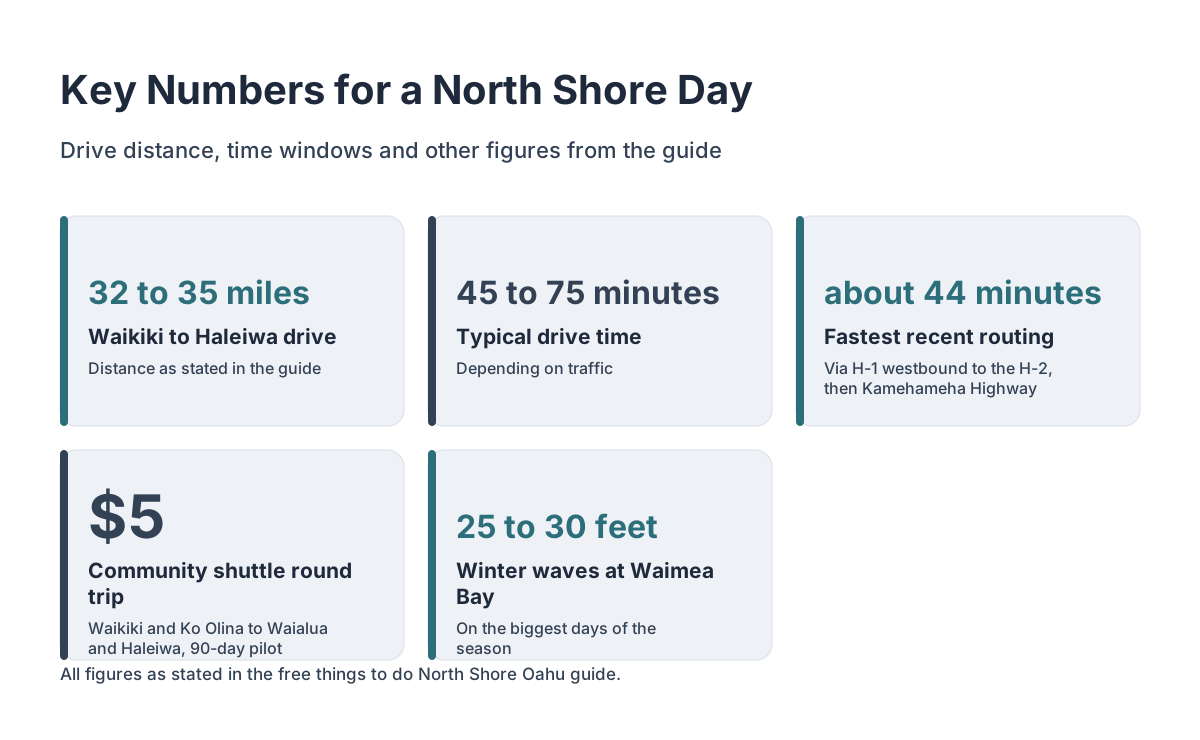
Waimea Bay is the headline free stop. In summer the water is quiet enough for swimming and jumping from the famous rock on the north side of the bay. In winter the same bay holds waves that reach 25 to 30 feet on the biggest days of the season, and swimming becomes both foolish and prohibited. The same seasonal flip applies at Ehukai and Sunset Beach: both are free year-round, but between roughly November and April the sand is for watching, not entering. If your trip falls in the winter months, treat the beaches as spectator venues and enjoy the show from the sand.
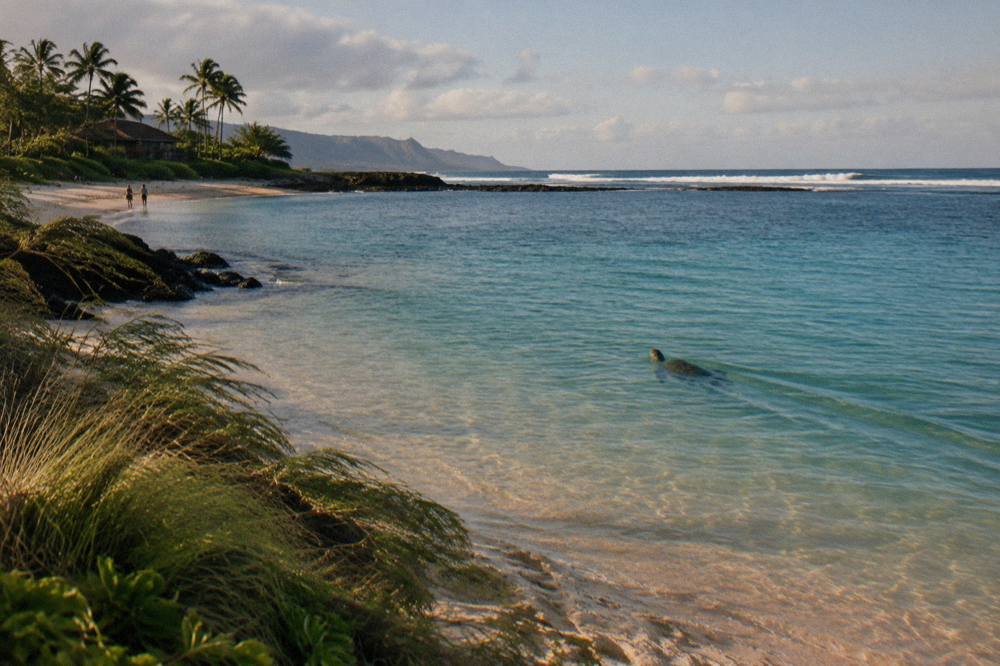
Laniakea Beach, a few minutes north of Haleiwa, is the turtle spot. Green sea turtles rest on the sand there most days, and volunteers are usually present to keep visitors a respectful distance away. It costs nothing, and it is one of the more reliable free wildlife experiences on Oahu. One note for drivers: the area around Laniakea has been under a highway realignment project with reduced parking during the work, so expect a shorter walk from wherever you manage to park. Sharks Cove, despite the name, is a snorkeling and tide-pool spot, not a shark habitat, and it is free to enter, though winter surf makes it unsafe from late fall through spring (see Sharks Cove vs Hanauma Bay).
The table below puts the main free stops side by side, with the seasonal caveats that actually matter for planning.
| Beach or park | Free access | Best season | Notes |
|---|---|---|---|
| Waimea Bay | Yes | Summer for swimming, winter for watching waves | Big-wave season closes swimming |
| Ehukai (Pipeline) | Yes | Year-round from the sand | Winter surf is the spectacle |
| Sunset Beach | Yes | Summer for swimming | Long beach, several small lots |
| Laniakea Beach | Yes | Year-round | Turtles; parking reduced during road work |
| Haleiwa Beach Park | Yes | Year-round | Restrooms, showers, picnic tables, playground |
| Sharks Cove | Yes | Summer only for snorkeling | Unsafe in winter surf |
If you want a deeper comparison between the two kinds of paid shark experiences you could add to a free beach day, the cage versus cageless comparison on this site covers the differences in format, price logic and what each one feels like in the water.
Where Can You Find Free Tide Pools, Viewpoints And Walks Around Haleiwa?
The free non-beach activities cluster around Haleiwa town: the walk across the historic Rainbow Bridge, the harbor itself with its working fishing boats, Haleiwa Beach Park's shaded picnic areas, and the tide pools at Sharks Cove and Pupukea in summer. All are free, all are walkable or a short drive apart, and all pair naturally with a morning or afternoon shark tour departure from the harbor.
Haleiwa's Rainbow Bridge is the town's single most photographed structure, a historic single-lane bridge that carries Kamehameha Highway over the Anahulu Stream. Walking across it costs nothing and takes two minutes, but the area around it, the old plantation-town storefronts and the river mouth, is worth a slow half hour. The bridge sits about a five-minute walk from the boat harbor, which makes it the natural pre-tour stop: check in at the harbor, walk to the bridge and back, and still be back in time for the safety briefing.
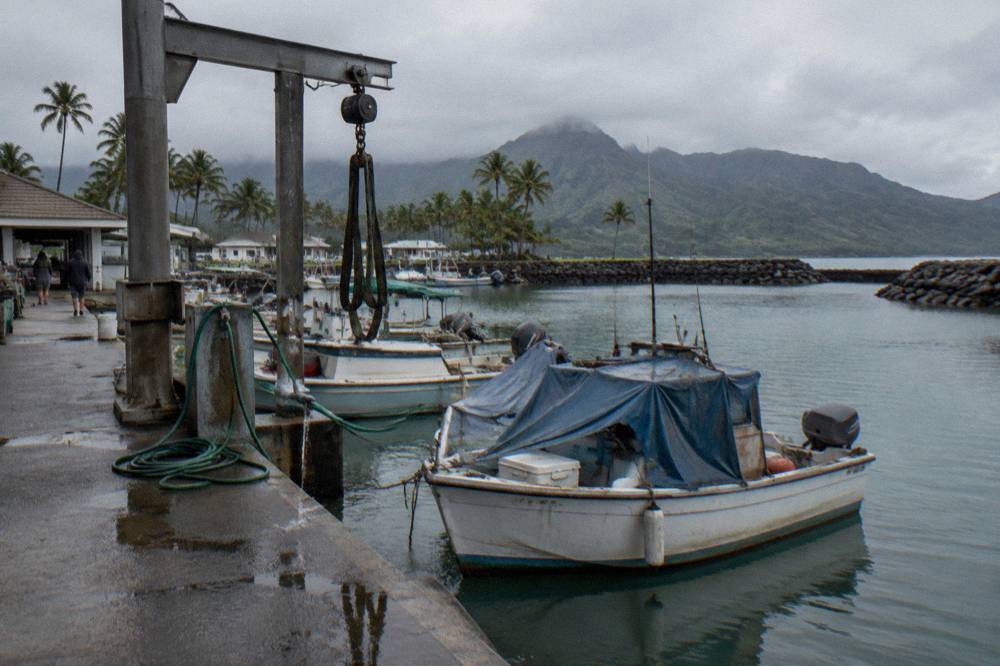
The harbor itself rewards a slow look. It is a working small-boat harbor with a fish hoist, boat ramps and a washdown area, and watching the fishing boats come and go is a genuine piece of Hawaii most visitors never see. The state harbor page lists the full facilities, including public restrooms, which matter more than they sound like they should when you are spending a full day outdoors.
North of town, the Pupukea tide pools and Sharks Cove sit inside a Marine Life Conservation District, which means no taking of marine life and no fee for looking. In summer the cove holds calm, clear water and a surprising amount of reef fish in the shallows. Bring your own snorkel gear if you have it, since rental shops charge and the whole point of this day is to spend as little as possible. In winter, stay out of the water entirely.
A note on the paid side of the ledger, since most people reading this are building a day that includes one: if you want a more private version of the standard cage trip, Haleiwa Shark Tours, rated 4.9 from 313 reviews, meets at Haleiwa Boat Harbor and travelers arrange their own way there, and the operator's live listing shows the current price. The standard flagship trip, North Shore Shark Adventures, rated 4.8 from 3,241 reviews, runs roughly 1.5 hours, which matters when you are trying to keep the rest of the day cheap.
How Do You Build A Free Day Around A Shark Tour?
A workable free day looks like this: swim at Waimea Bay in the morning while the lots are empty, drive south to Haleiwa for a midday shark tour departure from the boat harbor, walk the Rainbow Bridge and eat a plate lunch in town afterward, then spend the late afternoon at Laniakea watching turtles or at Haleiwa Beach Park. Total activity cost outside the tour: zero, aside from food and gas.
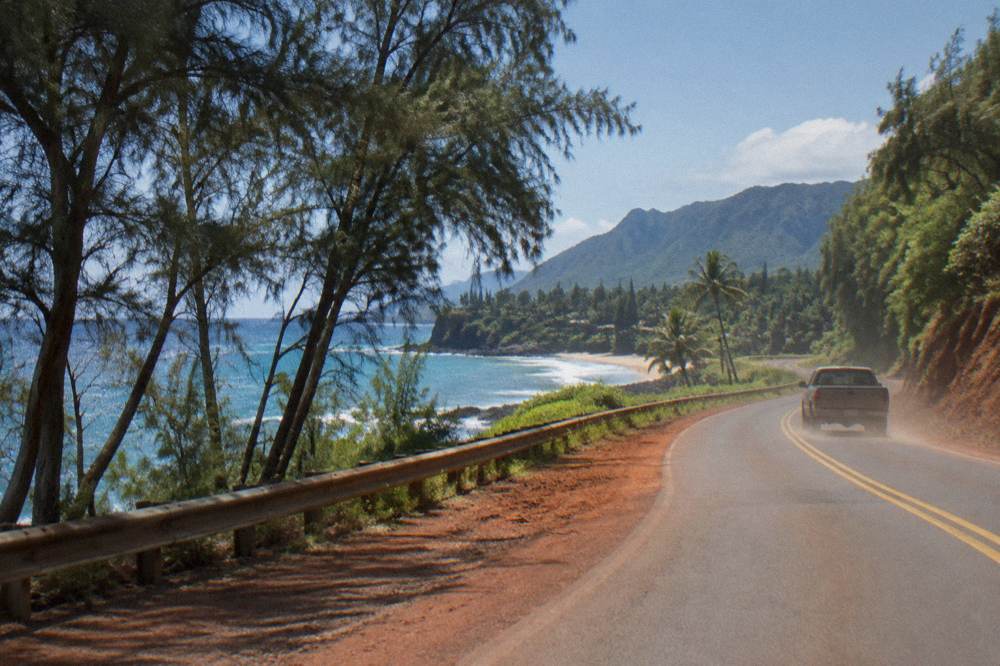
The sequencing matters more than the list. The drive from Waikiki to Haleiwa runs about 32 to 35 miles and typically takes 45 to 75 minutes depending on traffic, with the fastest recent routing showing about 44 minutes via the H-1 westbound to the H-2, then Kamehameha Highway through Wahiawa. Rush hours, roughly 6 to 8:30 a.m. and 3:30 to 6 p.m., add time, and the two-lane Wahiawa section is the bottleneck. A morning shark tour departure means leaving Waikiki by about 6 a.m., which sounds brutal until you realize the same early start gets you a free beach almost to yourself afterward.
Afternoon tours flip the day: beaches first, tour second, town afterward for dinner as the crowds leave. The trade-off is that afternoon tours are more exposed to the trade winds, which typically pick up through the day, and the beach lots you wanted in the morning are full by 10 a.m. in summer. There is no wrong answer, but know which trade you are making. If you are still deciding how to get from your hotel to the harbor at all, the Waikiki to Haleiwa guide on this site compares driving, shuttles and the operators that handle the drive for you.
One genuinely free option worth knowing about on the transportation side: a community shuttle launched in late June 2026 as a 90-day pilot, offering $5 round trips from Waikiki and Ko Olina to the Waialua and Haleiwa area with cultural narration along the way. It was created to support North Shore businesses still recovering from the March 2026 Kona Low storms, and it requires proof of a purchase at a local business for the return leg. That purchase could be as small as a shave ice, which makes it close to free for a day trip. Check whether the pilot has been extended past its original window before counting on it.
The two orderings, hour by hour, look like this.
| Time | Morning-tour day | Afternoon-tour day |
|---|---|---|
| 6:00 a.m. | Leave Waikiki, beat rush hour | Free morning at Waikiki Bay or Sharks Cove |
| 7:00 a.m. | Check in at Haleiwa Boat Harbor | Turtle watching at Laniakea |
| 8:00 a.m. | Shark tour on the water | Beach time, picnic at Haleiwa Beach Park |
| 11:00 a.m. | Rainbow Bridge walk, plate lunch in town | Leave for the harbor check-in |
| 1:00 p.m. | Waimea Bay swim while lots turn over | Shark tour on the water |
| 4:00 p.m. | Laniakea turtles, then the drive south | Rainbow Bridge walk, dinner in Haleiwa |
Is There Anything Genuinely Free To Do On The Honolulu Side Too?
Yes, and the most useful one is a free, pay-what-you-want guided walking tour of Honolulu's historic downtown and Chinatown, which covers the city's oldest blocks with a local guide at no fixed price. It is in Honolulu proper, not on the North Shore, so treat it as a separate day's activity on the Waikiki side of your trip rather than part of a North Shore itinerary.
The walk is run through GuruWalk, a platform for tip-based tours, and the specific listing covers Honolulu's historic downtown and the Chinatown district, ending near the neighborhood's markets and temples. Pay-what-you-want means the listed price is zero and you tip the guide at the end based on what the walk was worth to you, which is the closest thing to a genuinely free guided experience in Honolulu. The route is flat, urban and a few minutes by car or bus from Waikiki.
For a wilder contrast after the walk, Oahu's North Shore offers the chance to drift beside sharks from the safety of a cage, with reservations possible through this guided shark cage experience.
See this free tour on GuruWalk
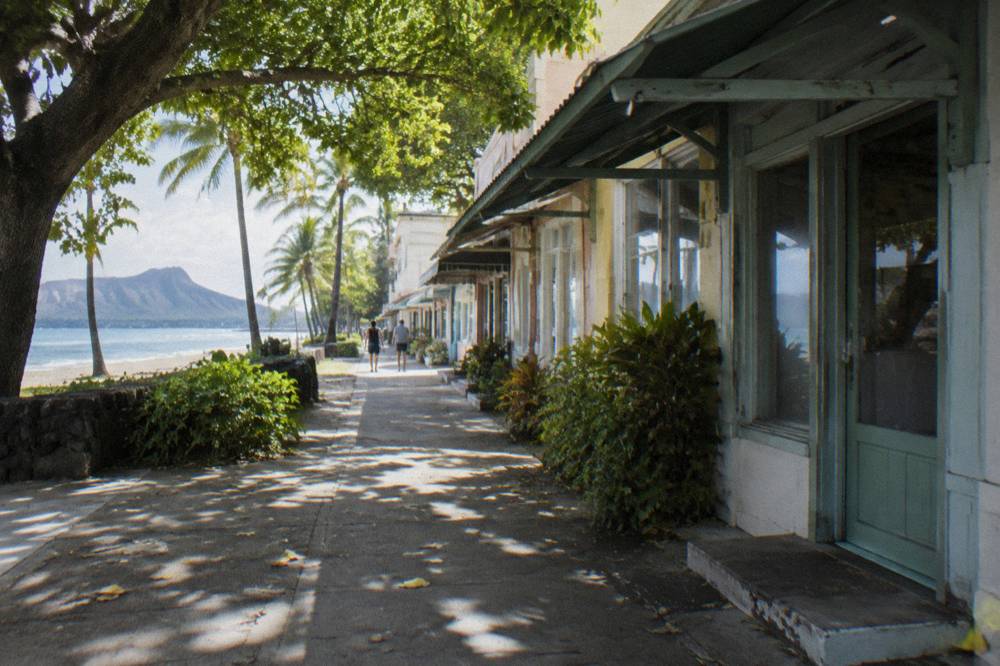
To be clear about the geography, because some listings blur it: the North Shore itself has no verified free walking tour. This walk is a downtown Honolulu experience, and it pairs best with a rest day before or after your North Shore trip, not with the beach day itself. If your trip is Waikiki-based with one North Shore day, the honest framing is: free beaches and turtles on the North Shore day, free guided history walk on a Honolulu day. See this free tour on GuruWalk.
What Does A Full North Shore Day Actually Cost?
With every activity on this guide being free, the real budget is transportation and food: gas for the round trip, roughly one to two meals, and optional snorkel gear. A rental car runs about $42 to $64 per day base before taxes and fees, gas on Oahu averaged about $5.52 per gallon in late September 2026, and a plate lunch in Haleiwa runs in the mid-teens. Everything listed above, every beach, park, viewpoint and walk, adds zero.
The numbers are worth seeing side by side, because the contrast is the whole point of a free-activities day.
| Item | Typical cost | Notes |
|---|---|---|
| All beaches, parks and viewpoints in this guide | Free | No admission anywhere listed |
| Parking at Haleiwa Boat Harbor | Free | Ample lot, public restrooms |
| Rental car (economy to midsize) | About $42-$64 per day base | Before taxes and state surcharges |
| Gas | About $5.52 per gallon on Oahu | Round trip Waikiki-Haleiwa is about 32-35 miles each way |
| Rideshare one way Waikiki to Haleiwa | Often $130-$160 | Return trips can surge or be scarce |
| Community shuttle round trip | $5 | Pilot program; requires a local purchase |
| Plate lunch or shave ice in Haleiwa | Roughly $10-$17 per person | The one unavoidable spend |
If the shark tour is your one paid splurge, the rest of the arithmetic is kind. Even with a rental car and two meals, a couple can keep the non-tour cost of a North Shore day in the low hundreds, and a family with a car already in the mix can keep it under that. For anyone weighing whether the paid dive justifies itself against the free day around it, the honest answer is that the free activities and the tour serve different moods: the beaches are relaxation, the cage is adrenaline, and most people who do both are glad they did. The marine-scientist-led cageless swim, One Ocean Diving, rated 4.8 from 515 reviews, is the option that leans hardest into the educational side, if that framing appeals more than the cage.
When Is The Best Time Of Year For A Free North Shore Day?
Summer, roughly May through September, is the best season for this itinerary: calmer seas, clearer water, safer swimming at Waimea and Sharks Cove, and more reliable shark tour departures. Winter, November through April, brings the big surf that makes the North Shore famous, which is spectacular to watch from the sand but closes most of the swimming and increases tour cancellation rates.
The seasonal split is driven by North Pacific swells, and it is not subtle. Winter swells regularly push 15 to 50-foot faces at Waimea and Pipeline, and the same energy that makes the beaches a spectator sport makes the offshore boat ride bumpier and more likely to be called off. Summer flips it: lighter trade winds, smaller swells, water temperatures around 80 degrees at the Waimea Bay buoy in late September, and visibility offshore that operators describe as deep blue. Sea temperatures near Haleiwa peak around 80 to 81 degrees in September and bottom out around 75 to 76 in February and March, so the water is swimmable year-round, but the sea state above it is the variable that matters.
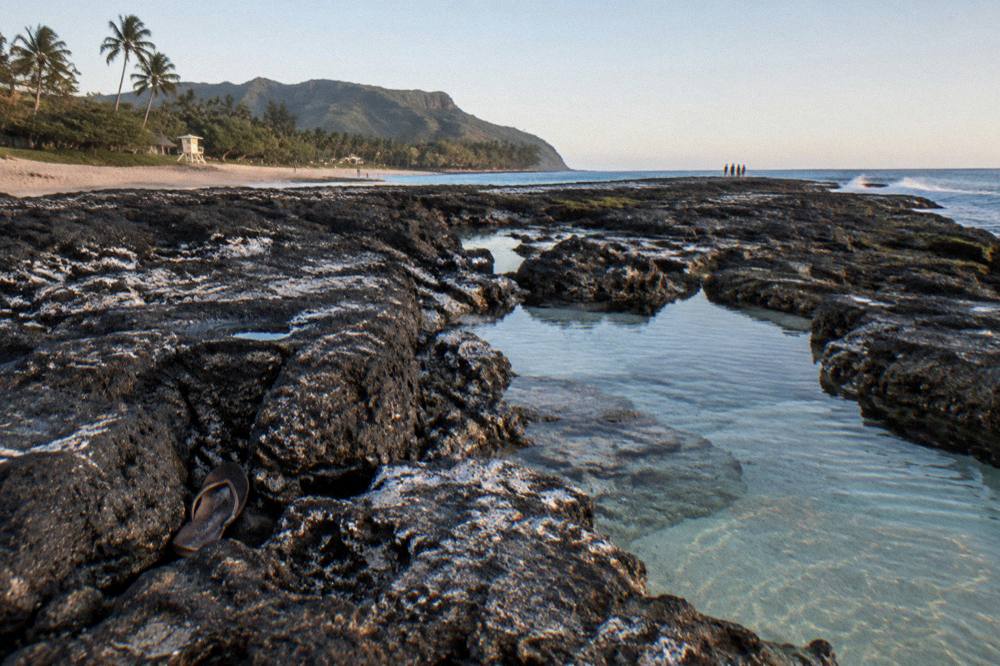
Shoulder months, October and April, are variable: you can catch a flat, gorgeous day or arrive the day after a swell. October carries one extra wrinkle for shark watchers, since tiger shark sightings off the north coast of Oahu peak in that month, a pattern a 2026 analysis in Frontiers in Marine Science linked to the movement of mature females through the area. Whether that makes October more exciting or more intimidating is a matter of taste, but the sightings are real and the price of the beach day remains zero. The best time of year for shark diving guide on this site goes deeper on which months suit which kind of trip, including the wetsuit-top-included cageless option from Go Adventure Hawaii, rated 4.8 from 153 reviews, for cooler-water months.
The one planning rule that survives every season: check the surf forecast the night before. A flat summer day and a 20-foot winter day are two completely different free itineraries, and the difference is visible on the Waimea Bay buoy data published by PacIOOS, which reports wave height and water temperature in near real time.
Common Questions About Free Things To Do On The North Shore
What are the best free things to do on Oahu's North Shore?
The beaches and parks: Waimea Bay, Ehukai (Pipeline), Sunset Beach, Laniakea for turtles, Haleiwa Beach Park and Sharks Cove, plus the walk over Haleiwa's Rainbow Bridge and the boat harbor itself. All are free with no admission, and all sit within a short drive of each other.
Is parking free on the North Shore?
Mostly yes. Haleiwa Boat Harbor has ample free parking with public restrooms, Haleiwa Beach Park has free parking, and the beach lots along Kamehameha Highway are free but fill early on weekends and big-surf days. The Laniakea area has reduced parking during ongoing road work.
Can you swim at North Shore beaches for free?
Yes, all of them are free to enter. The catch is seasonal: from roughly November through April, large winter swells make Waimea Bay, Ehukai and Sunset Beach dangerous for swimming, so winter visits are for watching the surf from the sand. Summer, May through September, is the swimming season.
Where can you see turtles on the North Shore for free?
Laniakea Beach, a few minutes north of Haleiwa, is the most reliable free turtle spot on Oahu. Green sea turtles haul out on the sand most days, usually with volunteers present to keep visitors at a respectful distance. Arrive early for parking.
How much does a North Shore day cost if everything is free?
Your costs are transportation and food only. A rental car runs about $42 to $64 per day base before taxes, gas averaged about $5.52 per gallon on Oahu in late September 2026, and a rideshare from Waikiki often runs $130 to $160 one way. Every beach, park and viewpoint in this guide adds zero.
Are there free guided tours near the North Shore?
Not on the North Shore itself. The closest verified free option is a pay-what-you-want guided walking tour of Honolulu's historic downtown and Chinatown, which is on the Honolulu side of the island and pairs best with a separate day of a Waikiki-based trip.