Sharks Cove Or Hanauma Bay: Which Is Better?
A practical comparison of Sharks Cove and Hanauma Bay for Oahu visitors, covering snorkeling, seasons, crowds and how to pair either spot with a North Shore shark cage dive.
 By Shark Cage Diving Honolulu Editorial Desk, Honolulu shark cage diving charter research and booking desk
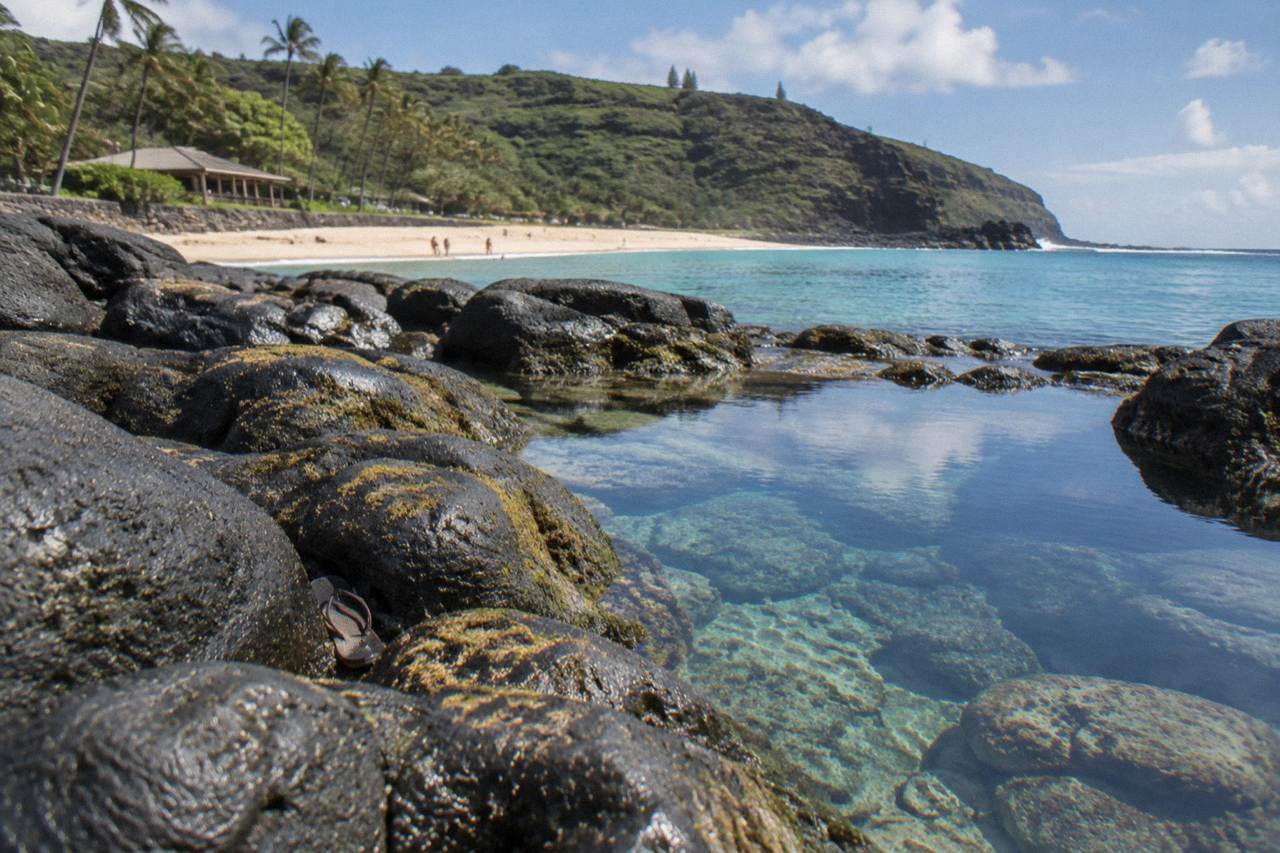
Sharks Cove Or Hanauma Bay: Which Is Better?
For a relaxed, fish-dense snorkel with easy facilities, Hanauma Bay wins. For rugged beauty, a North Shore road trip and an adventure day around the water, Sharks Cove wins, especially when sharks are most active. If you can only pick one and you are visiting between May and September, choose Sharks Cove and pair it with a shark cage dive out of Haleiwa.
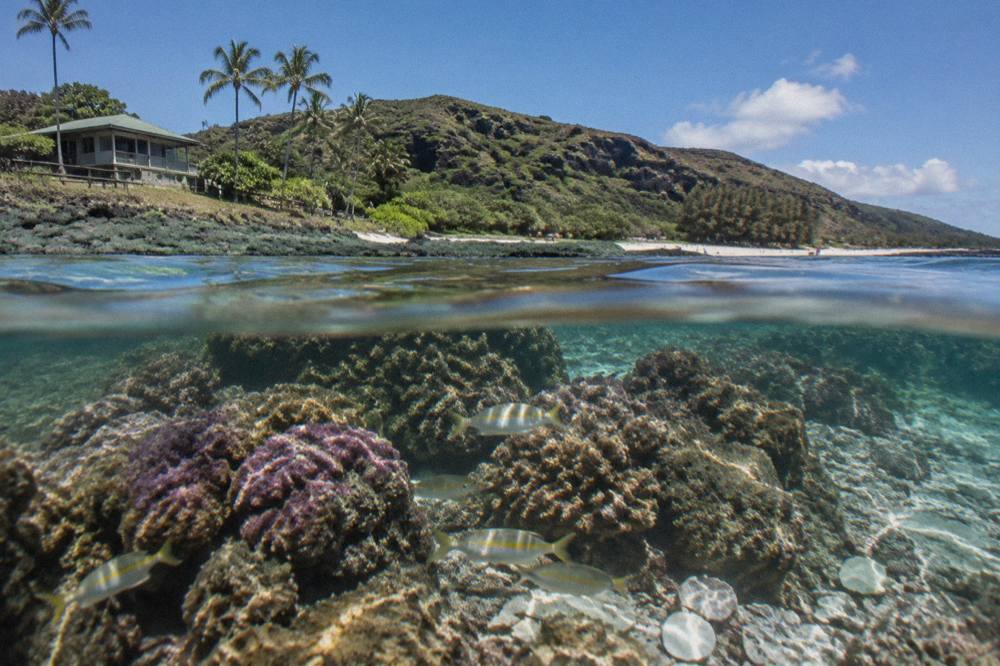
The honest answer is that these two spots are not really competitors. Hanauma Bay sits inside an ancient volcanic crater on Oahu's southeast coast, a shallow, sheltered bowl of a bay engineered by geology for effortless snorkeling. Sharks Cove sits at the edge of Pupukea's reef on the North Shore, a rocky cove where the fish are wilder, the terrain is rougher and the whole experience feels less like an aquarium and more like an encounter.
What trips most visitors up is the calendar. Sharks Cove sits in the heart of the North Shore's big-wave corridor, and winter swells, which peak from December through January and can push 15 to 50 feet at nearby breaks like Waimea Bay and Pipeline, make the cove dangerous or simply unswimmable for much of November through April, per seasonal surf reporting on the North Shore. Hanauma Bay, tucked on the leeward south shore, barely notices those swells. So the real question is not which is better in the abstract, it is which is better in the month you are actually standing on the island.
There is also a difference in what each spot asks of you before you even get wet. Hanauma Bay asks for planning: a reservation, an orientation film, an arrival window. Sharks Cove asks for gear and judgment: reef shoes, an honest read of the surf, and a willingness to climb over wet rock. Neither demand is unreasonable, but they filter for different travelers, and it is worth knowing which filter you are signing up for before you commit a day.
Travelers leaning toward a guided version of that choice can look over the Sharks Cove snorkel and shark adventure tours before committing a morning to either approach.
If your trip lands in the calm window and you want the most memorable water day Oahu can offer, the strongest play is a morning shark cage dive out of Haleiwa followed by an afternoon snorkel at Sharks Cove, which is barely fifteen minutes up the road from the harbor. Here are the three tours that anchor that kind of day.
What's The Difference Between The Two Spots?
Hanauma Bay is a managed marine sanctuary focused entirely on snorkeling, with an education requirement, controlled entry and a sandy beach; Sharks Cove is an unmanaged rocky cove inside a marine conservation district, free to enter, with no sand to speak of and conditions that swing with the season. The two deliver completely different versions of "getting in the water," and knowing the difference saves a wasted day.
Hanauma Bay's whole design funnels you toward one activity. You watch a short orientation, walk down to the beach and float over a shallow inner reef dense with humuhumu and other reef fish. Entry is managed through a reservation system and fees apply, so confirm current hours, pricing and booking rules on the official city site before you go, because the details change. The payoff is reliability: sheltered water, abundant fish and facilities that make it workable for small kids and nervous swimmers.
Sharks Cove is the opposite philosophy. There is no orientation, no reservation and no gate. You park, scramble over lava rock and slip into water that drops quickly over coral heads and through underwater caverns. In summer the visibility is superb and the reef fish are plentiful, but the footing is genuinely tricky, reef shoes are close to mandatory, and there is no lifeguard-managed sandy slope to ease in on. A beach management and erosion plan for the stretch from Shark's Cove to Sunset Point is in development, with a report due to the state legislature, so check for any access changes before you drive up.
| Factor | Hanauma Bay | Sharks Cove |
|---|---|---|
| Location | Southeast coast, inside a volcanic crater | North Shore, Pupukea reef edge |
| Entry | Reservation system and entry fee, confirm details officially | Free, open access, rocky entry |
| Best season | Year-round, sheltered from north swells | Roughly May through September |
| Terrain | Sandy beach, gentle slope | Lava rock, no beach, reef shoes advised |
| Fish | Dense reef fish in shallow water | Reef fish, turtles, more varied structure |
| Crowd feel | Managed, busy by mid-morning | Free-flowing, quieter on weekdays |
| Best for | Families, first-time snorkelers | Confident swimmers, adventure days |
If the table pushes you toward the North Shore, the shark cage dive is the natural anchor for that day rather than an add-on.
Which Is Better For Snorkeling?
For pure snorkeling, especially for beginners or families, Hanauma Bay is better. Its sheltered inner reef holds more fish per square foot and the sandy entry removes nearly all the friction. For experienced snorkelers who want structure, turtles and clearer blue water, Sharks Cove in summer is the richer swim. Neither one is a place to see pelagic sharks, which matters more than most visitors realize.
The snorkeling comparison really comes down to competence and comfort. Hanauma Bay's water is shallow, warm and calm almost every day of the year, and the fish population is so concentrated that even a ten-minute float feels productive. The cost of that ease is crowds: by mid-morning the inner reef can feel like a shared pool, and the very features that make it beginner-friendly, the shallow depth and the sandy bottom, also mean the water gets stirred up as the day goes on. Arriving at opening time is the standard workaround.
Sharks Cove demands more and returns more. The lava tube and cavern structure on the cove's edges attracts turtles and larger reef fish, and summer visibility, when the North Shore goes flat and the water settles, can be outstanding. Winter is a different story: the same swells that make Waimea Bay famous push surge and current into the cove, and swimming there during a big-wave episode is genuinely unsafe. If you are visiting between November and April, the snorkeling verdict flips decisively to Hanauma Bay.
One thing neither spot will give you is a shark. The reef sharks and pelagic species people associate with Hawaiian water, including the Galapagos and sandbar sharks on the state's official DLNR shark species list, do not hang around either bay. Seeing them requires going offshore, which is exactly what the cage and cage-free tours out of Haleiwa exist to do.
For swimmers who want to be in the water with sharks rather than looking at them from a boat, the cage-free option is the standout format. Island View Hawaii runs a small-group cageless swim rated 5.0 across 1,179 reviews, with the price on the live listing, and it is the closest thing Oahu offers to a free-diving encounter with pelagic sharks (see Price Guide).
When Is The Best Time To Visit Each One?
Hanauma Bay is visitable year-round, with mornings best before the crowds build. Sharks Cove is a May-through-September proposition, best midweek in the morning, and should be treated as a viewing spot rather than a swimming spot during the winter swell season. The North Shore's seasonal swing is the single biggest planning fact on this page.
The mechanics are simple. Winter storms in the North Pacific send large northwest swells at Oahu's north-facing shores from roughly November through April, peaking in December and January. Those swells are what make the North Shore the world's big-wave capital, and they churn the cove's water, reduce visibility and create surge over the reef. Summer flips the script: lighter trade winds, smaller swells, calmer seas and clearer water, which is also the window when shark tour schedules out of Haleiwa run most reliably.
Water temperature barely changes the equation. Buoy readings off Waimea Bay put late-September surface water around 80 degrees, with the annual average dipping only to roughly 75 to 76 degrees in February and March, so both spots are swimmable-warm in every season. It is sea state, not temperature, that decides your plans.
The practical calendar, then: summer visitors should prioritize Sharks Cove and can treat Hanauma Bay as a backup or a separate south-shore day. Winter visitors should flip that entirely, snorkel Hanauma Bay and, if they still want the North Shore, do it above the waterline, watching the big surf from the safety of the sand, or below it in a shark cage three miles offshore where the swell is felt far less. The seasonal logic behind this is laid out in more depth in our best time of year for Oahu shark diving guide.
Can You See Sharks At Sharks Cove Or Hanauma Bay?
No. Neither spot offers realistic shark encounters. Hanauma Bay's shallow reef holds reef fish, and Sharks Cove holds reef fish and turtles, but the sharks people come to Hawaii hoping to see live in deep offshore water, three or more miles from land, where the commercial tours operate. The name "Sharks Cove" is a genuine source of confusion worth settling.
Sharks Cove got its name from the outline of the reef, not from its residents. You are no more likely to meet a shark there than at any other North Shore beach, and the same goes for Hanauma Bay, whose shallow crater bowl is about the last habitat a pelagic shark would choose. If seeing sharks in Hawaiian water is a priority, the encounter happens offshore, in federal waters beyond the three-nautical-mile state boundary, at established aggregation sites the Haleiwa fleet has worked for years. That is where Galapagos and sandbar sharks, and occasionally tiger sharks, reliably gather.
The reason for the boundary is legal as much as biological. Hawaii banned shark feeding in state marine waters in 2002, so commercial operators run their boats out past the three-mile line into federal waters, where the aggregation sites sit in deep pelagic blue. The sharks are not being lured into a bay; you are traveling out to where they already live, which is also why the encounter is so consistent.
The tour that frames this best for a general audience is One Ocean Diving's swim, rated 4.8 across 515 reviews, which puts a marine scientist in the water with you and treats the encounter as a research and education session as much as a thrill. The price is on the operator's live listing.
How Do You Pair Either Spot With A Shark Tour?
Pair the shark tour with Sharks Cove, not Hanauma Bay, because the cage dive fleet departs from Haleiwa Boat Harbor roughly fifteen minutes down the road from the cove, making a single North Shore day of both effortless. Hanauma Bay is on the opposite side of the island and works best as its own half-day. The geography decides this one for you.
The drive from Waikiki to Haleiwa runs about 32 to 35 miles, typically 45 to 75 minutes depending on traffic, with the fastest routes using H-1 West to H-2 North and then Kamehameha Highway through Wahiawa. Rush hours and big-surf days stretch that, so an early start is the standard advice. Once you are at the harbor, the harbor itself offers free parking and restrooms, and Haleiwa town's shops and shave ice stands sit just across the historic Rainbow Bridge.
A summer day built this way looks like: early drive up, morning cage dive, lunch and shave ice in Haleiwa, then a 15-minute hop to Sharks Cove for an afternoon snorkel while the crew's adrenaline is still working its way out of your system. Our Haleiwa harbor and North Shore guide covers parking and amenities in detail, and the free things to do on the North Shore guide rounds out the rest of the day.
The anchor of that itinerary is North Shore Shark Adventures, the flagship steel-cage dive rated 4.8 across 3,241 reviews, run by North Shore Shark Adventures with free cancellation. It is the tour around which the whole North Shore day gets built, and the one this site, Shark Cage Diving Honolulu, exists to explain. You can Check availability alongside the full tour rundown.
If your day is anchored on the south shore instead, Hanauma Bay pairs naturally with nothing on this site, and that is fine. Do it as its own morning, reservations confirmed in advance, and save the North Shore for a second day. Travelers without a rental car should also know that commercial roundtrip shuttles to the North Shore run roughly $67 to $85 per person with hotel pickups, per operator shuttle listings, which makes the paired day possible even without driving.
Whichever way you build the trip, these three tours are the ones worth booking first.
Common Questions About Sharks Cove Or Hanauma Bay
Sharks Cove or Hanauma Bay: Which Is Better?
Hanauma Bay is better for easy, family-friendly snorkeling year-round. Sharks Cove is better for a rugged North Shore adventure day between May and September, especially when paired with a shark cage dive out of nearby Haleiwa Harbor. Winter visitors should choose Hanauma Bay, since North Shore swells make the cove unsafe to swim.
Is Sharks Cove free to visit?
Yes. Sharks Cove has open access with no entry fee or reservation system, though parking near the cove can fill up on summer days. Bring reef shoes, because the entry is over lava rock with no sandy beach.
Can you swim at Sharks Cove in winter?
Generally no. From roughly November through April, large northwest swells push surge and current into the cove, making swimming hazardous. Treat it as a viewing spot in winter and snorkel elsewhere.
Does Hanauma Bay require a reservation?
Entry is managed through an online reservation system and fees apply. Check the official city site for current hours, pricing and booking rules before your visit, since these details change periodically.
Can you see sharks at either spot?
No. Neither Sharks Cove nor Hanauma Bay offers realistic shark encounters. The Galapagos, sandbar and occasional tiger sharks people come to see live in deep offshore water, which is why the commercial shark tours run three or more miles out from Haleiwa.